

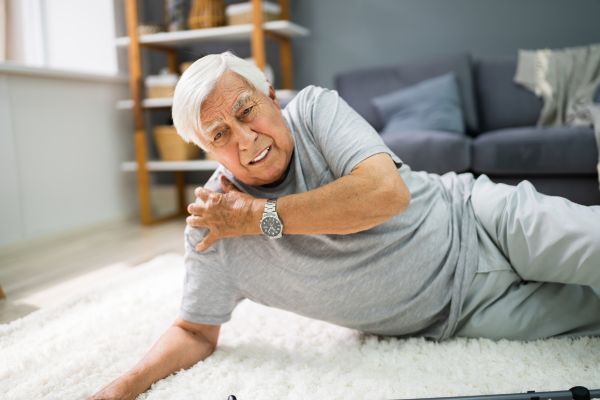
A safe home should feel comfortable, familiar, and easy to move through. For older adults, that feeling matters even more because home is often the place where independence is protected. Yet it is also where many falls happen. A loose rug, dim hallway, slippery bathroom floor, or rushed step toward the phone can turn an ordinary day into a painful accident.
Fall prevention for seniors is not about creating fear or treating aging as a problem. It is about making small, thoughtful changes that reduce risk while helping older adults stay active, confident, and independent. Many falls are preventable, especially when the home environment, daily habits, health checks, and mobility support all work together.
According to the CDC, more than one in four adults aged 65 and older falls each year, and falling once doubles the chance of falling again. The CDC also notes that less than half of older adults tell their doctor after a fall, which means many risks remain hidden until another accident happens.
Why Falls Become More Common with Age
Falls can happen to anyone, but the risk increases as the body changes with age. Balance may not feel as steady as before. Vision can become weaker, especially in low light. Muscles may lose strength if a person becomes less active. Certain medicines can cause dizziness, sleepiness, or changes in blood pressure. Health conditions such as arthritis, diabetes, Parkinson’s disease, stroke effects, or foot pain can also affect movement.
The World Health Organization explains that fall risk is shaped by several factors, including age, health, behavior, and the surrounding environment. In other words, falls rarely have just one cause. They often happen when personal risk factors meet an unsafe space, such as poor lighting, slippery floors, loose rugs, or uneven steps.
That is why fall prevention works best when it is practical and layered. It is not only about telling someone to “be careful.” It is about making the home easier to navigate and helping the body stay strong enough to move safely.
Start with the Floors and Walking Paths
The floor is one of the first places to check when making a home safer. Seniors should be able to walk from room to room without stepping around clutter, cords, shoes, bags, pet toys, or small furniture. Even familiar objects can become hazards when someone is tired, carrying laundry, or walking at night.
Loose rugs are especially risky. They can slide, curl at the corners, or catch the foot unexpectedly. If rugs are used, they should have non-slip backing and lie flat against the floor. In many homes, removing small throw rugs completely is the safer choice.
Walking paths should be wide and simple. Furniture may need to be rearranged so there is enough space for a cane, walker, or steady movement. The goal is not to make the home look empty. It is to make daily movement easier, especially in places used most often, such as the bedroom, bathroom, kitchen, and route to the front door.
Make Lighting Clear and Reliable
Poor lighting can make even a familiar home feel uncertain. A senior may misjudge a step, miss a spill, or fail to notice an object on the floor. Good lighting is one of the simplest forms of fall prevention for seniors, but it is often overlooked.
Hallways, staircases, bedrooms, bathrooms, and entrances should be well lit. Nightlights can be useful between the bedroom and bathroom because many falls happen during late-night trips. Light switches should be easy to reach, and lamps should be placed where they can be turned on before a person walks across the room.
The National Institute on Aging recommends improving home safety by removing hazards, adding better lighting, and making rooms easier to move through. It also emphasizes that many falls can be prevented through exercise, medication management, vision checks, and safer home design.
For seniors with weaker vision, bright lighting can make a real difference. Stairs, thresholds, and changes in floor level should be easy to see. If possible, using contrast on stair edges or step areas can help the eyes identify where one level ends and another begins.
Give the Bathroom Extra Attention
Bathrooms deserve special care because they combine hard surfaces, water, and awkward movements. Getting in and out of a tub, stepping onto a wet floor, or reaching for a towel can all create risk.
Grab bars near the toilet and inside the shower or tub are often more reliable than towel bars, which are not designed to hold body weight. A non-slip bath mat, shower chair, and handheld shower head can also make bathing safer and less tiring. The floor should stay dry whenever possible, and toiletries should be easy to reach without bending or stretching too far.
A raised toilet seat may help seniors who struggle to sit or stand. The safer bathroom is not necessarily the most expensive one. Often, a few carefully chosen changes make the biggest difference.
Make Stairs Safer and Easier to Use
Stairs can be challenging for seniors, especially if balance, vision, or leg strength has declined. Every staircase should have a secure handrail, and ideally handrails on both sides. Steps should be kept free of objects, and carpeting should be firmly attached.
Good lighting is essential on stairs. A switch at both the top and bottom of the staircase can prevent someone from walking in the dark. If the edge of each step is hard to see, adding visual contrast may help.
Seniors should be encouraged not to rush on stairs. Holding the handrail, taking one step at a time, and avoiding carrying heavy loads can reduce risk. If stairs become too difficult, it may be time to rethink how the home is used. For example, setting up a sleeping area on the main floor can reduce daily stair use.
Choose Footwear That Supports Balance
Shoes play a bigger role in fall prevention than many people realize. Loose slippers, flip-flops, socks on smooth floors, and shoes with worn-out soles can all increase the chance of slipping or tripping.
Supportive shoes should fit well, have non-slip soles, and stay secure on the feet. For seniors who prefer slippers indoors, the safest option is a pair with a firm back, good grip, and proper support. Bare feet or socks may feel comfortable, but they can be risky on tile, wood, or polished floors.
Foot pain should not be ignored either. Painful feet can change the way a person walks, which may affect balance. Regular foot care, properly fitted shoes, and medical advice for ongoing pain can all support safer movement.
Keep the Body Strong and Steady
A safer home is important, but the body itself also needs support. Strength, balance, and flexibility can decline when a person becomes less active. Sometimes seniors move less because they fear falling, but that can create a cycle: less movement leads to weaker muscles, and weaker muscles increase fall risk.
Gentle exercise can help break that cycle. Walking, balance exercises, stretching, light strength training, and activities such as tai chi may improve confidence and stability. The right activity depends on the person’s health, mobility, and doctor’s advice.
The CDC states that falls can be prevented and highlights the importance of addressing risk factors before an injury occurs. Falls among adults 65 and older remain a major cause of injury-related death and emergency department visits, which makes prevention especially important.
Exercise does not need to be intense to be useful. Even small, regular movement can help. What matters is consistency and safety.
Review Medicines and Health Changes
Some falls are connected to dizziness, drowsiness, confusion, or changes in blood pressure. Medicines can sometimes contribute to these problems, especially when several are taken together. Sleep aids, some pain medicines, blood pressure medicines, anxiety medicines, and certain other prescriptions may affect balance or alertness.
Seniors should review their medicines with a doctor or pharmacist, especially after a fall, a near-fall, or a new prescription. This does not mean stopping medicines without medical advice. It means checking whether side effects, timing, or combinations may be increasing risk.
Vision and hearing checks also matter. Poor vision can make hazards harder to see, while hearing problems may affect awareness of surroundings. Updated glasses, proper lighting, and hearing support can all make movement safer.
Create Safer Daily Habits
Many falls happen during ordinary moments: getting out of bed too quickly, rushing to answer the phone, carrying too many items, or walking in the dark. Simple habits can reduce these risks.
Seniors should take a moment before standing, especially after lying down or sitting for a long time. If dizziness appears, it is better to pause than push forward. Frequently used items should be kept within easy reach so there is less need for climbing, bending, or stretching.
Phones should be placed in convenient areas, or a wearable alert device may be considered for someone living alone. The point is not to make life feel restricted. It is to make help easier to reach if something does happen.
Talk About Falls Without Shame
One of the most important parts of fall prevention is honest conversation. Many older adults do not report falls because they feel embarrassed, worry about losing independence, or assume the fall was not serious. But a fall can be a warning sign, even if no injury happened.
Families and caregivers should avoid blame. A supportive conversation works better than criticism. Instead of saying, “You need to be more careful,” it may be more helpful to ask, “Where did it happen?” or “What can we change so that feels safer next time?”
Reporting falls to a healthcare provider can help identify causes such as medication side effects, balance problems, vision changes, or health conditions. The earlier these risks are addressed, the better.
Conclusion
Fall prevention for seniors is really about protecting freedom. A safer home allows older adults to move with more confidence, continue daily routines, and reduce the fear that can come after a fall or near-fall. The most effective changes are often simple: clearer floors, brighter lighting, safer bathrooms, supportive shoes, stronger muscles, and regular health checks.
Falls are common, but they are not an unavoidable part of aging. With thoughtful adjustments and open conversations, the home can remain a place of comfort rather than risk. Prevention does not remove every danger, but it creates a steadier foundation for independence, dignity, and everyday peace of mind.
