

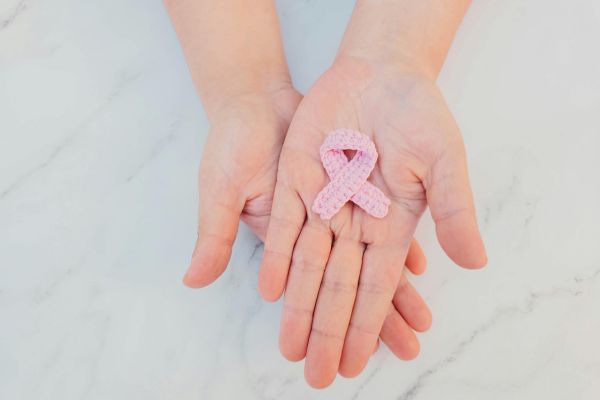
There’s something quietly powerful about awareness. Not fear, not anxiety—but awareness. When it comes to breast health, understanding your body and making informed lifestyle choices can feel less like a burden and more like an act of self-respect. While no approach can guarantee complete prevention, there are practical, evidence-based breast cancer prevention tips that can meaningfully reduce risk and support overall well-being.
What often gets overlooked is that prevention doesn’t begin in a clinic—it starts in everyday habits, small decisions, and a deeper connection with your body.
Understanding Risk Without Panic
Before diving into specific breast cancer prevention tips, it helps to acknowledge a simple truth: risk varies from person to person. Factors like genetics, age, hormonal history, and environment all play a role. Some of these are beyond control, and that’s okay.
What is within reach, however, are lifestyle choices. And that’s where prevention becomes less overwhelming and more empowering.
It’s not about perfection. It’s about consistency.
Staying Physically Active in a Sustainable Way
Movement is one of the most reliable ways to support overall health, including lowering the risk of certain cancers. Regular physical activity helps regulate hormones, maintain a healthy weight, and improve immune function.
The key is sustainability. You don’t need an intense fitness routine to see benefits. A brisk daily walk, light strength training, or even dancing in your living room—these count.
What matters is rhythm. Making movement part of your daily life, rather than something you “fit in,” often leads to better long-term habits.
Maintaining a Healthy Weight Without Extremes
Body weight and breast cancer risk are closely connected, especially after menopause. Excess body fat can influence hormone levels, particularly estrogen, which may contribute to cancer development.
That said, the conversation around weight can easily become harsh or unrealistic. A healthier approach focuses on balance rather than restriction.
Eating mindfully, understanding hunger cues, and choosing nutrient-rich foods can naturally guide weight toward a stable, healthy range. There’s no need for crash diets or rigid rules. The body responds better to care than control.
Choosing a Balanced and Nourishing Diet
Food isn’t just fuel—it’s information for your body. Certain dietary patterns are associated with lower cancer risk, especially those rich in whole foods.
Fresh vegetables, fruits, whole grains, lean proteins, and healthy fats all play a role. Antioxidants found in colorful produce may help protect cells from damage, while fiber supports hormone balance.
At the same time, reducing processed foods, excess sugar, and unhealthy fats can further support long-term health. Not by eliminating them entirely, but by shifting the overall pattern.
It’s less about “good” or “bad” foods and more about what your daily plate looks like most of the time.
Limiting Alcohol Consumption Thoughtfully
Alcohol is often part of social life, but its connection to breast cancer risk is well established. Even moderate consumption can slightly increase risk, particularly over time.
This doesn’t mean complete avoidance is the only option, but it does call for awareness. Reducing frequency, choosing smaller portions, or having alcohol-free days during the week are simple, practical adjustments.
Sometimes, just pausing to ask, “Do I actually want this right now?” creates enough space for healthier choices.
Prioritizing Regular Screenings and Early Detection
One of the most effective breast cancer prevention tips—though technically it falls under early detection—is staying consistent with screenings.
Routine check-ups, clinical breast exams, and mammograms (based on age and medical advice) can help detect changes early, when treatment is often more effective.
Just as important is becoming familiar with your own body. Self-awareness matters. Noticing changes in shape, texture, or sensation and addressing them early can make a significant difference.
It’s not about constant worry. It’s about quiet attentiveness.
Managing Hormonal Factors with Care
Hormones influence breast tissue in complex ways. Factors such as age at first menstruation, menopause timing, and hormone replacement therapy can all impact risk.
If you’re considering hormonal treatments, it’s worth having an open, informed conversation with a healthcare professional. Understanding benefits alongside potential risks allows for better decision-making.
There’s no universal answer here—only choices that align with your personal health history and priorities.
Supporting Mental and Emotional Well-Being
Stress doesn’t directly cause breast cancer, but chronic stress can affect the body in ways that may influence overall health. Poor sleep, inflammation, and hormonal imbalances are often linked to prolonged stress.
Taking care of your mental health isn’t a luxury—it’s part of prevention.
Whether it’s quiet time, journaling, prayer, nature walks, or simply unplugging from constant digital noise, small moments of calm can restore balance.
Sometimes prevention looks like rest.
Avoiding Unnecessary Exposure to Harmful Substances
Environmental factors also play a role in long-term health. While it’s impossible to eliminate all exposures, reducing contact with certain harmful chemicals can be a practical step.
This might include being mindful of tobacco smoke, limiting exposure to pollutants when possible, and choosing safer household or personal care products.
Again, it’s not about becoming overly cautious. It’s about awareness and gradual improvement.
Breastfeeding and Its Protective Effects
For women who have children, breastfeeding has been associated with a lower risk of breast cancer. The protective effect may be linked to hormonal changes during lactation.
Of course, breastfeeding is a personal decision influenced by many factors. When possible, it can offer both short-term and long-term health benefits—for both mother and child.
But like many aspects of health, it’s one piece of a larger picture, not a standalone solution.
Understanding Family History Without Fear
Genetics can influence breast cancer risk, particularly mutations like BRCA1 and BRCA2. If there’s a strong family history, genetic counseling may provide clarity.
Still, having a genetic predisposition doesn’t mean a diagnosis is inevitable. It simply means being more proactive with screenings and lifestyle choices.
Knowledge, in this context, becomes a tool—not a burden.
Creating a Lifestyle That Feels Sustainable
Perhaps the most overlooked part of breast cancer prevention tips is sustainability. Health routines that feel forced rarely last.
Instead of chasing ideal habits, it often helps to build realistic ones. Small, repeatable actions—drinking more water, moving daily, eating more whole foods—create a foundation over time.
There’s a quiet confidence in consistency. And that’s where real change happens.
The Role of Awareness in Everyday Life
Prevention doesn’t live in a checklist. It lives in awareness—of your body, your habits, your environment, and your choices.
Some days will be better than others. Some habits will slip. That’s normal. What matters is returning to intention without guilt.
The goal isn’t control. It’s care.
A Thoughtful Conclusion
Breast cancer prevention tips are not about eliminating risk entirely—they’re about reducing it, thoughtfully and realistically. They’re about building a life that supports health rather than chasing perfection.
There’s no single habit that changes everything, just as there’s no single factor that defines risk. But when small, intentional choices come together, they create something meaningful—a sense of agency.
And maybe that’s the most important part. Not fear, not pressure, but a quiet understanding that your everyday choices matter.
Not all at once. Not perfectly. But steadily, over time.
