

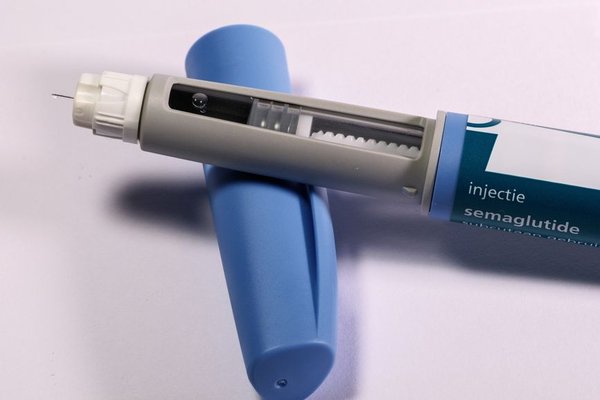
GLP-1 medications can make hunger feel quieter, portions feel larger and rich foods feel harder to tolerate. That can be helpful for weight management and blood sugar control, but it also creates a new nutrition challenge: when you are eating less, every meal needs to work harder. The best GLP-1 diet is not a rigid list of “good” and “bad” foods. It is a practical way of choosing protein, fibre, fluids and nutrient-dense foods in portions your stomach can comfortably handle.
Whether you are eating on Ozempic for type 2 diabetes, Wegovy for weight management or another prescribed GLP-1 medicine, your plan should reflect your health conditions, dose, side effects and other medications. Use this guide as a food-first framework, then personalise it with your prescriber or a registered dietitian.
Start with protein when your appetite is small
Weight loss can include a loss of muscle as well as body fat, especially when calorie intake drops sharply. Protein supports muscle maintenance, recovery and everyday strength, so it deserves priority when you cannot finish a large plate. Rather than saving protein for dinner, include a modest source at breakfast, lunch and dinner.
Useful options include eggs, Greek yogurt, cottage cheese, fish, chicken, turkey, tofu, tempeh, beans, lentils and lean meat. If solid food is unappealing, a lower-sugar protein shake, yogurt smoothie or blended soup can be easier to manage. Your ideal protein intake depends on body size, age, kidney health and activity level, so avoid copying a high target from social media without professional advice.
Build smaller meals that still feel complete
GLP-1 medicines can slow digestion and increase fullness. Large meals may therefore cause pressure, reflux, nausea or vomiting. A better approach is to serve a small portion, eat slowly and pause before deciding whether you need more. Stop at comfortable satisfaction rather than trying to clear the plate.
A simple meal formula is protein first, then a vegetable or fruit, followed by a small portion of a high-fibre carbohydrate. Examples include salmon with green beans and a little brown rice, scrambled eggs with wholegrain toast and tomatoes, or lentil soup with yogurt. This structure provides nutrition for weight loss medication without relying on oversized meals.
A practical low-appetite day
After a dose increase, imagine that breakfast feels difficult and a greasy lunch sounds impossible. You might start with Greek yogurt and berries, have half a chicken-and-vegetable soup at lunch, then eat the remaining half later. Dinner could be baked fish, soft cooked carrots and a small potato. Sipping water between meals and keeping plain crackers nearby may help if nausea appears. The goal is not perfection; it is steady nourishment in tolerable amounts.
Choose fibre carefully, not aggressively
Vegetables, fruit, beans, oats and whole grains support bowel regularity and provide vitamins and minerals. However, suddenly doubling fibre while digestion is already slower can increase bloating and discomfort. Add higher-fibre foods gradually and pair them with enough fluid.
If constipation is a problem, try oats, kiwi, pears, prunes, lentils, chia soaked in liquid and cooked vegetables. Gentle daily movement can also help. If diarrhoea develops, temporarily favour simpler foods such as bananas, rice, toast, potatoes, yogurt or soup, then rebuild variety as symptoms settle. Persistent or severe bowel changes should be discussed with your healthcare team.
Hydration matters more than thirst suggests
Reduced appetite can also mean reduced thirst, while vomiting or diarrhoea can increase fluid loss. Sip water regularly instead of drinking a large amount with a meal, which may worsen fullness. Water, unsweetened tea, broth and milk can all contribute. Dark urine, dizziness, a dry mouth or very infrequent urination can signal dehydration.
People with heart failure, kidney disease or another condition requiring fluid limits should follow their clinician’s instructions rather than increasing fluids independently. Anyone who cannot keep liquids down needs prompt medical advice.
Foods that often worsen side effects
No food is universally forbidden, but some choices are more likely to cause trouble while the stomach is emptying slowly. Fried foods, very fatty meals, large portions, heavy cream sauces and highly spicy dishes can intensify nausea or reflux. Sugary drinks offer little nourishment and may aggravate digestive symptoms. Alcohol can also worsen nausea or dehydration and may be unsuitable with certain medicines or health conditions.
Notice your own pattern. A food diary covering meals, symptoms, dose days and portion sizes can reveal whether discomfort follows a particular food or simply eating too much at once. Do not cut out multiple food groups unless a clinician recommends it.
Protect energy and blood sugar
Steady energy usually comes from combining protein with fibre-rich carbohydrates and some healthy fat. Try yogurt with oats, an apple with peanut butter, or beans with whole grains rather than eating refined carbohydrates alone. If you have diabetes and take insulin or a medicine that can cause low blood sugar, your doses may need review as your appetite and weight change. Do not adjust prescription medication without your care team.
When nutrition needs medical support
Contact your healthcare professional if you are repeatedly unable to eat, are losing weight extremely quickly, feel unusually weak or have ongoing vomiting. Seek urgent assessment for severe or persistent abdominal pain, especially if it spreads to the back, or for symptoms such as fever, yellowing of the skin, clay-coloured stools, fainting or signs of severe dehydration. These are not problems to manage with dietary tweaks alone.
Frequently asked questions
What should I eat first on a GLP-1 medication?
Start with a protein-rich food, then add vegetables or fruit and a small high-fibre carbohydrate. This helps make limited appetite more nutritionally useful.
Can I eat carbohydrates while taking a GLP-1?
Yes. Choose sensible portions of oats, beans, fruit, potatoes, brown rice or whole grains and combine them with protein. Carbohydrates do not need to be eliminated unless your clinician has given specific advice.
What can I eat when GLP-1 nausea is strong?
Small amounts of bland, lower-fat food are often easier to tolerate, such as toast, crackers, yogurt, banana, rice or clear soup. Eat slowly, avoid lying down after meals and contact your prescriber if nausea is severe or persistent.
Do I need supplements on a GLP-1 diet?
Not automatically. A varied diet may meet your needs, but prolonged low intake can create gaps. Ask a clinician or dietitian before taking supplements, particularly if you have kidney disease, take other medicines or are considering high-dose products.
A sustainable way to eat on GLP-1 medication
The most useful eating plan is one you can tolerate and repeat: smaller meals, protein throughout the day, gradual fibre, regular fluids and fewer foods that trigger symptoms. Appetite suppression should not become accidental undernutrition. Treat each smaller plate as an opportunity to protect muscle, digestion and energy while the medication supports your wider health goals.
