

A smaller appetite can make ordinary meal advice feel unrealistic. A full plate may look unappealing, and eating more volume can worsen nausea, reflux, or uncomfortable fullness. Yet protein still matters when food intake drops, especially during weight loss. The practical goal is not to force large meals. It is to choose protein-dense foods that deliver meaningful nutrition in a few bites, then spread those choices across the day.
For people taking GLP-1 or related weight-loss medicines, reduced hunger and slower stomach emptying can make this problem more noticeable. Weight loss can include lean tissue as well as fat, so protein and resistance exercise are commonly recommended to help protect strength and muscle. Individual needs vary with age, body size, activity, kidney function, and medical history.
Think Protein First, Not Bigger Portions
When appetite is limited, start with the protein portion while your interest in food is highest. Vegetables, fruit, and wholegrain carbohydrates still belong in a balanced diet, but leaving protein until the end can mean it remains untouched once fullness arrives.
Create several smaller protein opportunities instead of relying on one large dinner. A compact breakfast, light lunch, snack, and modest evening meal may be easier than three conventional plates. A few spoonfuls of yoghurt or a small milky drink can still contribute when repeated consistently.
High-Protein Foods That Fit a Smaller Appetite
Greek Yoghurt, Skyr, and Cottage Cheese
Strained yoghurt and skyr provide substantial protein in a small pot with almost no preparation. Add soft fruit or a little nut butter if tolerated. Cottage cheese works with tomato, crackers, baked potato, or blended into a dip. These options help when meat feels unappealing.
Eggs in Flexible Forms
Eggs are easy to portion. Try one scrambled egg with grated cheese, a small omelette, a boiled egg, or egg mayonnaise on toast. If cooking smells trigger nausea, a cold egg may be easier than fried food. Eggs also pair well with vegetables.
Fish and Tender Poultry
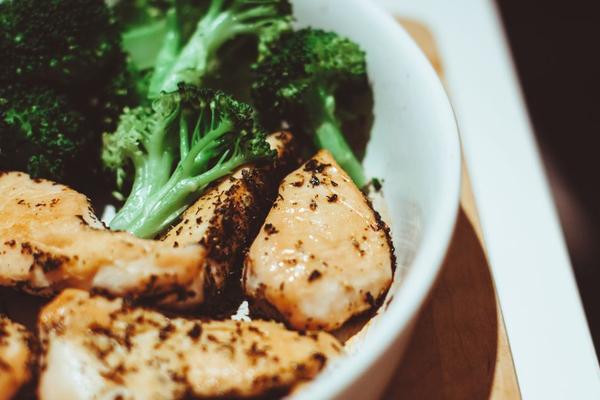
Salmon, tuna, prawns, white fish, chicken, and turkey provide plenty of protein without requiring a large serving. Moist textures are often easier than dry meat. Flake fish into mashed potato, stir shredded chicken into soup, or mix tuna with yoghurt or mayonnaise for a small sandwich filling. A modest portion eaten comfortably is more useful than a larger one you cannot finish.
Tofu, Tempeh, Beans, and Lentils
Plant-based choices can support appetite loss nutrition while adding fibre and minerals. Tofu is soft, mild, and easy to add to soups, stir-fries, or scrambled-style dishes. Tempeh is firmer and more concentrated. Beans and lentils contain protein too, although their fibre can feel filling, so start with small amounts if bloating is a problem. Blended lentil soup or hummus may be easier than a large bowl of whole beans.
Milk and Protein-Enriched Drinks
Milk and fortified soya drinks provide protein with fluid and work in coffee, porridge, or smoothies. A protein shake may be practical after exercise or on a low-appetite day. Do not treat supplements as a complete replacement for varied meals unless a clinician advises it.
Small Protein Boosters
Cheese, nuts, seeds, and nut butter are compact additions. Add grated cheese to eggs, spread peanut butter thinly on toast, or sprinkle seeds over yoghurt. These foods can turn a light snack into a more useful protein small portions meal without adding much volume, although they are best used alongside other protein sources.
Build Mini Meals That Are Easier to Finish
A useful mini meal combines concentrated protein with one or two foods for fibre, vitamins, or energy. Try skyr with berries, scrambled egg on toast, tuna with crackers, tofu with rice and cooked vegetables, or cottage cheese with fruit. Soft textures and simple flavours often work well during nausea or early fullness.
Consider this real-world situation: lunch arrives, but a full chicken salad feels impossible. Instead of skipping it, eat a small bowl containing shredded chicken, avocado, and a few soft leaves, then save the rest. Two hours later, have yoghurt or a milky drink. The total volume stays manageable, yet protein is distributed across the afternoon rather than missed entirely.
Create a Reliable Protein Routine
Choose three or four foods you can tolerate even on low-appetite days and keep them ready to eat. A practical routine might include yoghurt at breakfast, egg or tuna at lunch, a milky drink in the afternoon, and fish, tofu, or chicken at dinner. Variety can expand when appetite improves, but consistency is more valuable than chasing a perfect menu.
Pair food choices with strength-based activity that suits your ability, such as resistance bands, bodyweight movements, or supervised weight training. Protein supplies building blocks, while resistance activity encourages the body to retain and use muscle. Speak with a healthcare professional before starting a new exercise plan if you have major health conditions, pain, dizziness, or mobility limitations.
When Side Effects Interfere
Nausea, constipation, reflux, and very early fullness can make eating harder. Smaller meals, slower eating, lower-fat cooking methods, and avoiding lying down soon after meals may help. Sip fluids regularly rather than trying to drink a large amount with food. If rich shakes or fried foods worsen symptoms, try lighter choices such as yoghurt, eggs, white fish, tofu, or clear soup with shredded chicken.
Contact your prescriber or clinical team if you repeatedly cannot eat enough, struggle to keep fluids down, feel unusually weak, or develop persistent vomiting or severe abdominal pain. People with chronic kidney disease or another condition affecting protein needs should get an individual target from a doctor or dietitian rather than following a generic high-protein plan.
Useful Internal Reading
Natural next topics include high-protein breakfast ideas for small appetites, how to preserve muscle during weight loss, and managing nausea while taking weight-loss medication.
Frequently Asked Questions
What is the easiest high-protein food for a small appetite?
Greek yoghurt, skyr, eggs, cottage cheese, and soft fish are often good starting points because they provide protein in compact, soft portions. The best option is one you tolerate consistently.
Is a protein shake enough when I cannot finish a meal?
A shake can be a useful backup, but it may not provide the fibre, vitamins, minerals, and variety found in balanced meals. Ask a dietitian for advice if shakes are regularly replacing meals.
Should I eat protein when I am not hungry?
You do not need to force a large meal, but regular small eating opportunities can prevent long gaps with little nutrition. Try a few bites or a small drink, and seek clinical support if appetite remains extremely low.
How can I make protein portions easier to tolerate?
Choose moist or soft textures, eat slowly, reduce portion size, and divide food across the day. Cold foods may also be easier if cooking smells trigger nausea.
A Smaller Plate Can Still Be Nutritionally Strong
Eating less volume does not have to mean giving up on protein. Prioritise compact foods, begin meals with the protein component, and create several manageable opportunities to eat. With a short list of dependable muscle preserving foods and a routine that respects fullness, it becomes easier to support strength and nourishment without battling through oversized portions.
