

A full-body routine is often the easiest way to learn strength training. Eventually, though, you may want more time for individual muscle groups without squeezing every exercise into one session. A push pull legs workout offers a straightforward answer: divide training into three types of days, then repeat them as your schedule and recovery allow.
PPL isn’t a secret shortcut to muscle growth. Its appeal is the structure. You know which movements belong on each day, giving you room to focus on technique, effort and gradual progress.
How the Push Pull Legs Split Works
The push pull legs split groups exercises by how your muscles work rather than assigning a separate day to every body part. Push sessions emphasize pressing, pull sessions emphasize rowing and pulling, and leg sessions cover lower-body movements.
Muscles overlap. A bench press trains the chest but also uses the shoulders and triceps; a row works the back while involving the biceps. PPL organizes that overlap instead of pretending each muscle works alone.
Push Day: Chest, Shoulders and Triceps
A push day workout centers on moving resistance away from you or overhead. Bench presses, push-ups and overhead presses form the foundation, while lateral raises and triceps extensions can fill gaps. Start with the compound lift that matters most to your goal while you’re fresh.
For example, try a bench press for three sets of six to ten repetitions, a shoulder press for two sets of eight to twelve, lateral raises for two sets of twelve to fifteen and a triceps exercise for two sets of ten to fifteen. Adjust to your equipment and ability.
Pull Day: Back and Biceps
A pull day workout features movements that bring resistance toward your body. Rows train the upper back, while pull-ups or lat pulldowns provide another pulling angle. Rear-delt work and curls can complement those larger exercises.
A session might include three sets of rows, three sets of pulldowns, two sets of reverse flyes and two sets of curls. Use controlled repetitions rather than swinging the weight. If grip fatigue limits back exercises, reduce the load before sacrificing form.
Leg Day: Squats, Hinges and Single-Leg Work
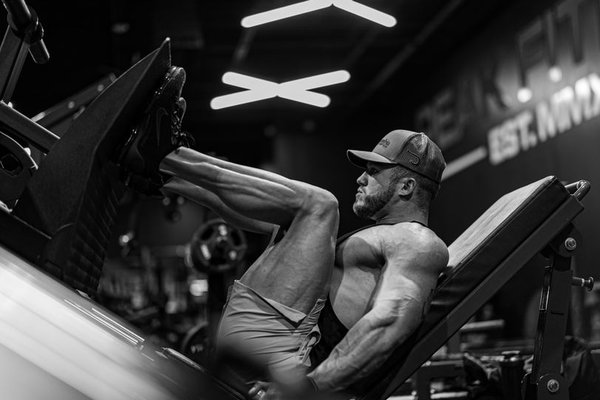
Leg day needs more than endless squats. Include a knee-dominant movement such as a squat or leg press, a hip hinge such as a Romanian deadlift, and a single-leg exercise where appropriate. Calf and core work can follow.
One balanced example is three sets of goblet squats, three sets of Romanian deadlifts, two sets of split squats per leg and two sets of calf raises. Choose roughly eight to twelve controlled repetitions for the main movements, adjusting as needed.
What Does a Weekly PPL Schedule Look Like?
The key decision isn’t which exercise goes on Monday. It’s how many days you can train consistently. The same structure behaves differently at three, four or six sessions per week.
Three Days Per Week
Monday could be push, Wednesday pull and Friday legs. This leaves rest days, but each major group gets one dedicated session that week. If you have only three gym days and want more frequent practice of basic lifts, a full-body workout routine may make better use of them.
Four Days Per Week
Use a rolling rotation rather than restarting every Monday. For example: Monday push, Tuesday pull, Thursday legs and Saturday push. The next session is pull, followed by legs. Across several weeks, exposure evens out. This is a practical bridge between beginner training and a busier PPL workout.
Six Days Per Week
A common pattern is push, pull, legs, then push, pull, legs, followed by a rest day. Each category appears twice weekly, but six gym visits can be demanding. It’s an option, not the definition of PPL, and isn’t automatically better than four manageable days.
How Hard Should the Workouts Be?
Start with a small number of useful exercises, then build only when you’re recovering well. Two or three challenging sets per exercise is a reasonable starting point for many people. Pick loads that allow sound technique with perhaps one to three repetitions left in reserve.
Progress can be unglamorous. If you complete three sets of eight reps on a row this week, add a rep where possible next time. Once you reach the top of your intended range with good form, increase the weight slightly. Tracking this progression is the basis of progressive overload.
Rest sufficiently between demanding sets to repeat quality work; heavy compound lifts usually need more recovery than isolation exercises. Warm up with lighter sets. Persistent joint pain is a reason to stop and reassess, not push through.
The American College of Sports Medicine’s 2026 resistance-training review supports progressive training and highlights that variables such as weekly workload and load matter more than allegiance to any particular split. You don’t need a high-volume six-day plan to benefit from lifting.
Who Benefits Most From PPL?
PPL often suits someone who understands basic lifts, enjoys gym training and wants more room for accessory exercises. Separating upper-body pushing from pulling makes sessions focused, while leg day gives lower-body work its own place.
It may suit you less if your schedule changes constantly or you can only exercise twice weekly. An upper-lower split or beginner strength training plan could be easier to sustain. For general health, the CDC recommends muscle-strengthening activities involving all major muscle groups on at least two days each week. Judge a plan by what it covers, not its name.
Common PPL Planning Mistakes
One mistake is stacking too many presses into push day, leaving shoulders and elbows irritated. Another is treating pull day as biceps day while neglecting rows or vertical pulls. On leg day, doing only quadriceps exercises overlooks hip-hinge work.
Also consider how sessions interact. Heavy Romanian deadlifts can fatigue muscles used for bent-over rows when workouts fall close together. A chest-supported row, lighter hinge or extra rest day may solve the problem without abandoning the split.
Frequently Asked Questions
Is push pull legs good for beginners?
It can work, but beginners often benefit from simpler full-body training that practices foundational movements several times per week. PPL becomes attractive when you’ve learned basic technique and want more variety.
Do I have to train six days a week?
No. Three-, four- and six-day versions all exist. A rolling four-day schedule lets training types rotate instead of forcing every workout into one calendar week.
Can I build muscle with a three-day PPL split?
Yes, with challenging, progressive training. But each group receives one dedicated workout weekly, so full-body training may distribute the work more efficiently on a three-day schedule.
Where should abs and cardio go?
Short core sessions can follow leg or upper-body training. Cardio can go on separate days or after lifting if it doesn’t compromise recovery or your main priorities.
Making the Split Work for You
A push pull legs workout is a scheduling framework, not a rulebook. Choose the number of days you can reliably manage, cover the main movement patterns and track a few signs of progress. The best version helps you train steadily while leaving enough energy to recover.
