

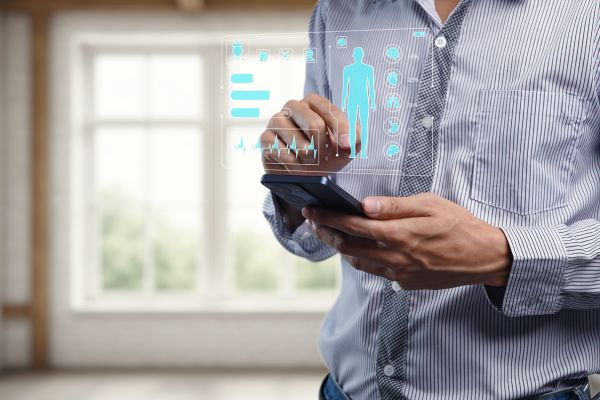
Innovations in health technology are changing the way we think about healthcare, and honestly, it’s happening faster than most of us expected. One minute we’re filling out paper forms in waiting rooms, and the next, doctors are checking patient data on tablets while AI quietly analyzes symptoms in the background. The thing is, health technology isn’t just about fancy machines or futuristic gadgets anymore. It’s about making care more human, more accessible, and, let’s be real, a lot more efficient.
What makes this moment exciting is how these innovations touch almost every part of our lives. From how we track our steps to how surgeons perform complex operations, innovations in health technology are shaping a future where medicine is smarter, more personalized, and less intimidating. So let’s talk about where we are, where we’re heading, and why it actually matters to you.
The Evolution of Healthcare Through Technology
Healthcare hasn’t always been this tech-driven. Not too long ago, medical records lived in bulky filing cabinets, and diagnosing an illness often depended on limited tests and educated guesses. Today, innovations in health technology have pushed healthcare into a digital-first era. Electronic health records, cloud-based systems, and instant data sharing have completely transformed how information moves through hospitals and clinics.
The real shift, though, is mindset. Technology is no longer just supporting healthcare professionals; it’s actively guiding decisions. Doctors now rely on data-driven insights alongside their clinical experience. This blend of human judgment and technological precision is making diagnoses faster and treatments more accurate. And for patients, that means fewer repeat tests, less waiting, and better outcomes overall.
Artificial Intelligence and Smarter Medical Decisions
Artificial intelligence sits right at the heart of many innovations in health technology. It sounds intimidating, but in practice, AI is more like a behind-the-scenes assistant that never gets tired. It can analyze massive amounts of medical data in seconds, spotting patterns that humans might miss.
In radiology, for example, AI tools can detect early signs of cancer in imaging scans with remarkable accuracy. That doesn’t replace doctors, of course. Instead, it gives them an extra set of eyes. The thing is, catching diseases earlier can literally save lives, and AI is proving to be incredibly good at that.
Beyond diagnostics, AI is also helping predict patient risks, optimize treatment plans, and even reduce hospital readmissions. It’s not perfect, and no one claims it is. But when used responsibly, it’s one of the most powerful innovations in health technology we’ve seen so far.
Wearable Devices and Personal Health Monitoring
You’ve probably seen people checking their smartwatches during workouts or even during meetings. What started as simple fitness tracking has evolved into something much bigger. Wearable devices are now a major part of innovations in health technology, giving individuals real-time insights into their own bodies.
These devices can monitor heart rate, sleep patterns, oxygen levels, and even stress indicators. For people managing chronic conditions, this constant stream of data can be life-changing. Instead of waiting for symptoms to worsen, users can spot trends early and take action.
The best part? Wearables encourage people to be more involved in their own health. When you can actually see how lifestyle choices affect your body, it becomes easier to make better decisions. It’s healthcare moving from reactive to proactive, and that’s a big deal.
Telemedicine and the Rise of Virtual Care
Telemedicine used to feel like a backup option, something you’d use only if absolutely necessary. Now, it’s one of the most impactful innovations in health technology. Virtual consultations have become a normal part of healthcare, especially for routine checkups and follow-ups.
For patients, this means fewer trips to the clinic and more flexibility. For healthcare providers, it means reaching people who might otherwise skip care due to distance, mobility issues, or busy schedules. The thing is, access matters just as much as quality, and telemedicine improves both.
Remote monitoring tools are also expanding what virtual care can do. Doctors can now track patient data in real time, adjusting treatments without requiring in-person visits. It’s not about replacing traditional care, but enhancing it in ways that actually fit modern life.
Robotics and Precision in Medical Procedures
Robotics might sound like science fiction, but they’re already playing a crucial role in modern medicine. Surgical robots are among the most impressive innovations in health technology, offering precision that human hands alone can’t match.
These systems allow surgeons to perform minimally invasive procedures with greater accuracy, leading to smaller incisions, less pain, and faster recovery times. Patients spend less time in the hospital, and outcomes are often better. That’s a win all around.
Robotics are also being used in rehabilitation, helping patients regain movement after injuries or surgeries. These technologies adapt to individual progress, providing personalized support that evolves over time. It’s another example of how health technology is becoming more patient-centered.
Personalized Medicine and Data-Driven Treatments
One-size-fits-all treatments are slowly becoming a thing of the past. Innovations in health technology are paving the way for personalized medicine, where treatments are tailored to an individual’s genetics, lifestyle, and medical history.
Advances in genomic testing have made it possible to understand how different patients respond to specific medications. This reduces trial-and-error prescribing and minimizes side effects. The thing is, when treatments are designed for you specifically, they’re more likely to work.
Data plays a huge role here. With secure systems collecting and analyzing health information, doctors can make informed decisions that align with each patient’s unique needs. It’s healthcare that feels less generic and more thoughtful, which, let’s be honest, is what everyone wants.
Cybersecurity and Trust in Digital Healthcare
As healthcare becomes more digital, protecting patient data is more important than ever. Innovations in health technology don’t just focus on treatment and diagnostics; they also address security and privacy concerns.
Healthcare data is incredibly sensitive, and breaches can have serious consequences. That’s why advanced encryption, secure authentication methods, and continuous monitoring systems are now integral to modern healthcare platforms. Trust is the foundation of effective care, and without strong security, that trust falls apart.
The challenge is balancing accessibility with protection. Patients want easy access to their records, but they also want assurance that their information is safe. Ongoing innovation in cybersecurity is making it possible to achieve both, which is encouraging.
The Role of Health Technology in Preventive Care
Preventive care is gaining momentum, and innovations in health technology are fueling that shift. Instead of waiting for illnesses to develop, healthcare systems are focusing on prevention and early intervention.
Predictive analytics can identify risk factors long before symptoms appear. Lifestyle apps provide guidance on nutrition, exercise, and stress management. Even simple reminders for checkups and vaccinations can make a difference. It all adds up to healthier populations and reduced healthcare costs.
The thing is, prevention doesn’t feel dramatic, but it’s incredibly effective. When technology supports healthier habits and early action, everyone benefits. It’s quieter than emergency care, but far more sustainable in the long run.
Looking Ahead at the Future of Health Technology
So where does all this leave us? Innovations in health technology are pointing toward a future where healthcare is more connected, more personalized, and more responsive. We’re moving toward systems that adapt to individuals rather than forcing individuals to adapt to systems.
Of course, challenges remain. Ethical considerations, data privacy, and equitable access must be addressed thoughtfully. Technology alone isn’t a solution; it’s a tool. How we use it matters just as much as how advanced it becomes.
Still, the progress so far is hard to ignore. Health technology is no longer just about machines and software. It’s about improving lives, simplifying care, and making medicine feel less overwhelming.
Final Thoughts on Innovations in Health Technology
Innovations in health technology are reshaping healthcare in ways that feel both exciting and deeply practical. From AI-powered diagnostics to wearable devices and virtual care, these advancements are making healthcare more efficient, more personal, and more accessible. The thing is, this isn’t some distant future. It’s happening right now, all around us.
As patients, providers, and everyday people, we’re part of this transformation. By embracing these changes thoughtfully, we can help shape a healthcare system that truly works for everyone. And honestly, that’s the kind of future worth getting excited about.
