

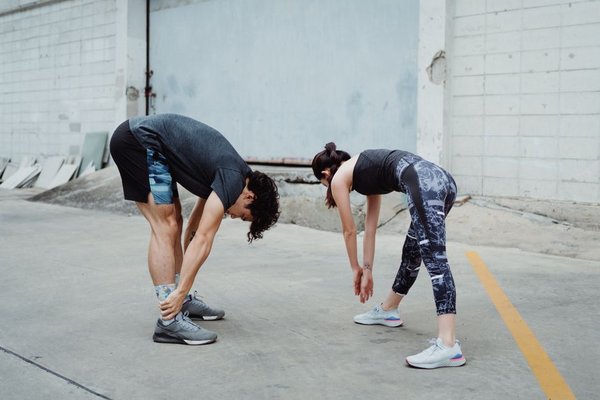
After the last set of squats or the final mile of a run, it is tempting to head straight for the shower. Stretching after a workout can help you transition out of training and maintain flexibility, especially when certain muscles feel tight. But it does not need to be complicated, and stretching is not a guaranteed cure for tomorrow’s soreness.
The most useful approach is to let your breathing settle, choose muscles you actually used, and hold comfortable positions without forcing extra range. Your routine after cycling may look different from the one after lifting weights.
Cool Down Before You Stretch
After vigorous cardio, gradually slow your activity before stopping. Walk after running or pedal lightly after cycling until your breathing begins to settle. Then try post workout stretching while your muscles are still warm.
After strength training, gentle walking or easy joint movements may be enough before stretching. Avoid dropping straight into your deepest possible position, particularly when muscles feel shaky or fatigued. Cool down stretches should feel controlled, not like an extra workout.
How Long Should You Hold Each Stretch?
For most adults, 10 to 30 seconds is a practical starting point. If you are new to stretching, begin with roughly 10 seconds, then build toward 20 to 30 seconds as you become comfortable. Repeat a stretch when useful instead of forcing one long hold.
Static stretching after exercise means easing slowly into a position, staying there, and breathing normally. Aim for mild tension, never sharp pain. A stretch does not have to look exactly like an instructor’s demonstration to be effective.
A flexibility routine lasting around five minutes can cover the muscles most involved in your session. If you have less time, two focused stretches are better than rushing through a dozen. Regular practice over weeks matters more for improving flexibility than one unusually long session.
Useful Stretches After Cardio
Calves After Running or Walking
Face a wall with your hands against it and step one foot back. Keep the rear heel grounded, point both feet forward, and gently bend the front knee. Hold the stretch in the rear calf for 20 to 30 seconds, then switch sides.
Hip Flexors After Cycling
Take a short split stance and gently shift your hips forward while keeping your torso upright. You should notice a stretch along the front of your back hip. Avoid arching your lower back to create extra movement. Hold a chair for balance if needed.
Hamstrings After Longer Sessions
Rest one heel on a low, stable step and hinge forward from your hips, keeping your back long and your knee softly bent. Stop at a comfortable stretch behind the thigh. Reaching your toes is not the goal.
Useful Stretches After Strength Training
Quadriceps After Squats or Lunges
Stand beside a wall for balance. Bend one knee and bring your heel toward your buttocks, holding your ankle or trouser leg if comfortable. Keep your knees relatively close and avoid pulling hard. A supported side-lying position is another option.
Chest After Pressing Exercises
Place a forearm on a doorframe, with the elbow comfortably below shoulder level. Turn your body away slightly until you feel a gentle stretch across the chest. Skip the position if it causes shoulder pain.
Glutes After Lower-Body Work
Sit on a sturdy chair and place one ankle over the opposite thigh if comfortable. Lean forward slightly from the hips until you feel tension around the buttock. Do not force the knee downward.
A Five-Minute Routine for a Mixed Workout
Say you finish a 30-minute treadmill run followed by several sets of lunges. First walk easily for two to three minutes. Then stretch your calves, quadriceps, hip flexors, and hamstrings for 30 seconds on each side. That adds up to four minutes. Use the final minute to repeat an area that feels particularly tight or simply move gently.
After an upper-body workout, replace the leg movements with comfortable chest stretches and relaxed shoulder movements. After a light walk, easy movement alone may be sufficient. If you want to expand the routine, explore a beginner mobility routine that builds on these basics without turning recovery into another demanding session.
What Stretching Can and Cannot Do for Recovery
Regular stretching can improve or maintain flexibility, helping certain movements feel more comfortable. It also gives you a quiet way to finish training. Those benefits are useful without promising dramatic changes overnight.
However, research does not show that stretching before or after exercise meaningfully prevents delayed-onset muscle soreness. A Cochrane review found little or no clinically important reduction in soreness. If your legs ache after a new workout, pulling harder on them is unlikely to solve the problem.
Progressing your workouts gradually, getting adequate sleep, and allowing appropriate recovery also matter. A sound routine pairs warm-up exercises before training with sensible recovery between workouts, rather than expecting stretching to do everything.
When Gentle Movement Is Enough
Not every workout requires an extended set of static holds. If you completed a short, easy walk and feel comfortable, a relaxed finish may be enough. If you spent hours sitting before a workout, a few extra hip and chest movements might feel useful. Let comfort and your longer-term flexibility goals guide the choice.
Do not bounce, hold your breath, or push through stabbing pain. Stop if you experience numbness, tingling, dizziness, or worsening joint discomfort. If you have an injury, recent surgery, or persistent pain, a qualified healthcare professional can advise which movements are appropriate.
Frequently Asked Questions
Is stretching immediately after a workout necessary?
No. Stretching afterward is convenient because the muscles are warm, but skipping it does not cancel the benefits of exercise. Gradually slowing down may matter more after demanding cardio.
Should I hold stretches for 30 seconds or a full minute?
Many adults can start with comfortable 10- to 30-second holds. Longer holds can suit specific flexibility goals, but they are not mandatory after every workout.
Does post-workout stretching prevent next-day soreness?
Not reliably. Research suggests it makes little difference to delayed-onset muscle soreness. Choose stretches for comfort and flexibility rather than expecting them to eliminate aches.
Is static or dynamic stretching better afterward?
Gentle dynamic movements can help during a cool down; comfortable static holds can support flexibility practice. Both can fit, depending on your workout and how you feel.
A Practical Finish Beats a Perfect Routine
Stretching after a workout works best when it suits what you actually did. Ease your pace first, choose a few relevant muscle groups, and hold each position comfortably for roughly 10 to 30 seconds. Sometimes that means five focused minutes; other days, a short walk is enough. A routine you can repeat is more valuable than forcing range of motion when your body is tired.
