

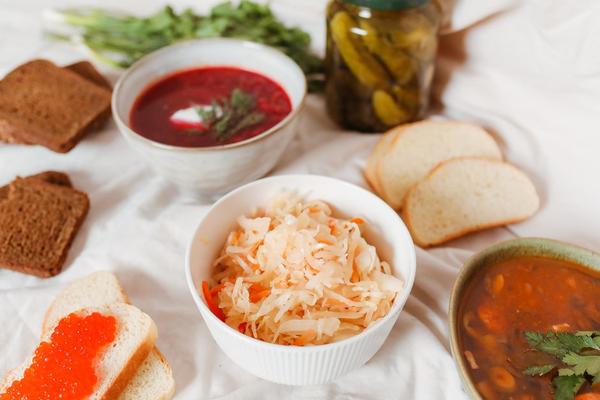
In 2026, gut health is increasingly discussed as part of the bigger wellness picture rather than as a concern that begins and ends with digestion. The gut microbiome is a vast community of microorganisms that interacts with food, helps break down certain compounds, and produces metabolites that influence the intestinal environment. No single ingredient can “fix” this ecosystem, but regularly eating a varied mix of foods for gut microbiome health can give beneficial microbes the fuel and food-based cultures they need.
The most useful approach combines prebiotic foods, which contain fibers that gut microbes can ferment, with fermented foods that may provide live microorganisms. Think of it less as chasing one superfood and more as building a diverse gut microbiome diet over time.
How Prebiotic and Probiotic Foods Work Together
Prebiotics are substrates used by microorganisms in the body, while probiotics are live microorganisms that provide a health benefit when consumed in adequate amounts. In everyday terms, fiber-rich plant foods help feed existing gut microbes, and some fermented foods introduce live cultures or useful fermentation products.
Not every fermented product qualifies as a probiotic food. Heat treatment can kill live cultures, and benefits depend on the microorganisms, the amount consumed, and the individual. Look for labels that mention live or active cultures, and remember that variety matters more than relying on one product.
10 Foods for Gut Microbiome Health
1. Plain Yogurt With Live Cultures
Yogurt is one of the easiest probiotic foods to add to breakfast or snacks. Choose plain yogurt labeled with live or active cultures, since heavily sweetened varieties can be closer to dessert. Pair it with oats, berries, or chopped apple to combine cultures with fermentable fiber. Cultured plant-based alternatives can also work, although their protein, sugar, and culture content varies.
2. Kefir
Kefir is a tangy fermented milk drink that often contains a mixture of bacteria and yeasts, although products differ. Drink it on its own, blend it into a smoothie, or pour it over oats. Select an unsweetened or lower-sugar option and confirm that the label lists live cultures.
3. Kimchi or Refrigerated Sauerkraut
Fermented cabbage products bring flavor and microbial variety to meals. For live cultures, choose refrigerated versions that have not been pasteurized after fermentation. Kimchi and sauerkraut can be high in sodium, so use a modest serving alongside rice, eggs, salads, or sandwiches rather than treating them as an unlimited side dish.
4. Miso
Miso is a fermented soybean paste that adds savory depth to soups, dressings, marinades, and sauces. Because prolonged high heat may reduce live microorganisms, stir it into soup after removing the pot from a rolling boil. Miso is salty, so use it mainly as a flavoring.
5. Tempeh
Tempeh is made from fermented soybeans pressed into a firm cake. It retains the whole soybean structure, providing protein and fiber together. Slice it for stir-fries, crumble it into tacos, or bake it with a simple marinade. Cooking means it is not mainly a live probiotic source, but it remains a useful fermented, fiber-containing food.
6. Oats
Oats contain beta-glucan and other fibers that can be fermented by gut microbes. They are also affordable and easy to use in porridge, overnight oats, or muesli. Add plain yogurt or kefir, fruit, nuts, and seeds instead of relying on heavily sweetened instant packets.
7. Beans, Lentils, and Chickpeas
Legumes are valuable prebiotic foods because they provide several types of fiber and resistant starch. Their fermentation can cause gas, especially when intake rises suddenly. Start with smaller portions, rinse canned beans, and increase gradually. Lentil soup, chickpea salad, bean chili, and hummus make regular intake easier.
8. Onions, Garlic, and Leeks
These vegetables contain inulin-type fructans and related carbohydrates that certain gut bacteria can use. They fit naturally into soups, sauces, curries, roasted dishes, and dressings. However, onions and garlic can aggravate symptoms in some people with irritable bowel syndrome or sensitivity to fermentable carbohydrates, so personal tolerance matters.
9. Apples
Apples provide pectin, a soluble fiber that can be fermented in the colon, along with polyphenols concentrated in and near the skin. Eat the whole fruit when possible rather than relying on clear apple juice, which contains much less fiber. Chopped apple pairs especially well with oats and yogurt.
10. Bananas, Especially Slightly Green Ones
Bananas provide fiber, while less-ripe bananas contain more resistant starch than fully ripe fruit. Resistant starch escapes complete digestion in the small intestine and becomes available for fermentation farther along the digestive tract. Slice a slightly green banana into oatmeal or blend it into a smoothie; ripe bananas still offer useful fiber and may be easier to digest.
How to Build a Microbiome-Friendly Routine
Consistency and diversity matter more than eating all ten foods at once. A realistic day might include oats and yogurt at breakfast, lentil soup at lunch, and vegetables with a small serving of kimchi at dinner. Rotate fruits, whole grains, legumes, and fermented foods across the week to supply different fibers and plant compounds.
Increase fiber gradually and drink enough fluids, especially if your current intake is low. Temporary gas can occur as microbes ferment more carbohydrate. Severe pain, persistent bloating, unexplained weight loss, blood in the stool, or lasting bowel changes deserve medical advice rather than repeated dietary experiments.
Frequently Asked Questions
What are the best foods for gut microbiome health?
The strongest everyday choices are a varied combination of fiber-rich plants and fermented foods, including oats, legumes, fruit, onions, yogurt, kefir, kimchi, and tempeh. There is no universal best food because microbiomes and digestive tolerance differ between people.
Do I need probiotic supplements if I eat fermented foods?
Most healthy people do not automatically need a supplement. Probiotic effects are strain- and condition-specific, and products are not interchangeable. Anyone considering probiotics for a medical condition or during serious illness should speak with a qualified healthcare professional.
How quickly can diet change the gut microbiome?
Dietary changes can influence microbial activity and composition within days or weeks, but lasting benefits depend on sustained habits. A short burst of fermented food cannot compensate for an otherwise low-fiber, highly limited diet.
Can too much fiber upset digestion?
Yes. A rapid increase may cause gas, cramps, or bloating. Add high-fiber foods gradually, spread them across meals, and adjust portions according to comfort. People with diagnosed digestive conditions may need individualized guidance.
A Better Gut Diet Is Built, Not Hacked
The most effective way to use foods for gut microbiome health is to stop searching for a miracle ingredient and create a varied pattern. Fermented foods can add cultures and fermentation compounds, while prebiotic foods supply fibers that resident microbes use. Choose a few options you enjoy, introduce them consistently, and expand the variety gradually. That steady approach supports digestion without turning every meal into a wellness project.
