

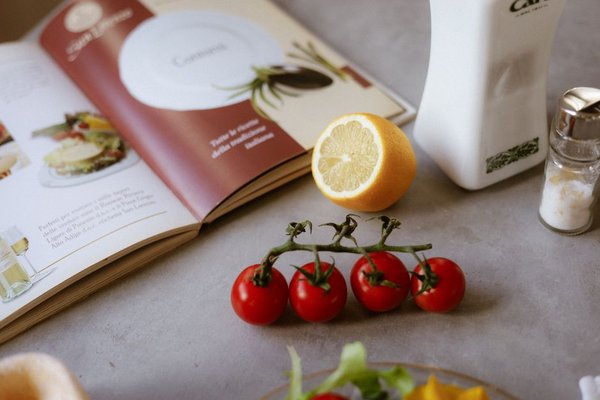
The Mediterranean diet has earned a reputation as one of the most practical ways to eat well, and expert reviews continue to place it among the strongest overall eating patterns for 2026. Its appeal is simple: there are no complicated rules, branded products or rigid food bans. Instead, meals are built around vegetables, fruit, wholegrains, beans, lentils, nuts, seeds and olive oil, with fish, eggs, yoghurt and poultry included in sensible amounts.
This Mediterranean diet meal plan for beginners turns those broad principles into seven manageable days. It is designed as a flexible starting point rather than a strict prescription, so portions can be adjusted for appetite, activity level and personal needs. The plan also fits comfortably with UK healthy-eating guidance, including eating at least five portions of fruit and vegetables a day, choosing higher-fibre carbohydrates and including a varied range of protein foods.
What does a Mediterranean diet plan include?
A traditional Mediterranean-style pattern is largely plant-led. Vegetables, fruit, pulses and wholegrains appear regularly, while olive oil, nuts and seeds provide unsaturated fats. Fish is eaten often, particularly oily fish, and smaller amounts of dairy, eggs and poultry add variety. Red and processed meat, sugary foods and heavily processed snacks are occasional rather than everyday choices.
There is no single official Mediterranean menu because eating traditions differ across Greece, Italy, Spain and other countries in the region. That flexibility is useful for beginners. You can use familiar, affordable UK ingredients such as porridge oats, tinned beans, frozen vegetables, wholemeal bread and canned fish. The goal is not to copy restaurant food; it is to create a sustainable pattern based on minimally processed ingredients.
Before starting your 7 day meal plan
A little preparation makes the week easier. Keep extra-virgin olive oil, wholegrain bread or wraps, brown rice, wholewheat pasta, oats, tinned tomatoes, chickpeas, lentils and unsalted nuts available. Add seasonal fruit and vegetables, plain yoghurt, eggs and a couple of fish options. Frozen produce and no-added-salt tinned pulses are convenient alternatives to fresh foods.
Water should be your main drink. UK guidance generally recommends six to eight cups or glasses of fluid daily, although needs vary. Tea and coffee can count, but keep added sugar modest. Alcohol is not required for a Mediterranean diet, and anyone who does not already drink should not start for supposed health benefits.
Mediterranean diet meal plan for beginners
Day 1
Breakfast: porridge made with milk or an unsweetened fortified alternative, topped with berries and chopped walnuts. Lunch: wholemeal pitta filled with hummus, tomato, cucumber, grated carrot and leaves. Dinner: baked salmon with new potatoes, green beans and a tomato salad dressed with olive oil and lemon. Choose fresh fruit if you need a snack.
Day 2
Breakfast: plain yoghurt with sliced pear, oats and a sprinkle of seeds. Lunch: lentil and vegetable soup with wholegrain bread. Dinner: wholewheat pasta with a sauce of tomatoes, courgette, peppers, onion and cannellini beans, finished with a little grated cheese. This is an easy batch-cooking day, so save a portion for later in the week.
Day 3
Breakfast: wholegrain toast topped with mashed avocado and a boiled or poached egg. Lunch: leftover vegetable and bean pasta with a side salad. Dinner: chicken traybake with aubergine, peppers, red onion, tomatoes and small potatoes, seasoned with garlic, oregano and lemon. For a meat-free option, replace the chicken with chickpeas or tofu.
Day 4
Breakfast: overnight oats with apple, cinnamon and plain yoghurt. Lunch: chickpea salad with cucumber, tomato, parsley, olives and a modest amount of feta, served with wholemeal bread. Dinner: vegetable and red lentil stew with brown rice. A small handful of unsalted nuts makes a satisfying snack without turning the day into constant grazing.
Day 5
Breakfast: a vegetable omelette with mushrooms, spinach and tomato, plus one slice of wholegrain toast. Lunch: leftover lentil stew with extra greens. Dinner: sardines or mackerel on wholegrain toast with roasted tomatoes and a mixed salad. This provides a second fish meal for the week and helps meet UK advice to include two portions of fish, one of them oily.
Day 6
Breakfast: plain yoghurt with banana, berries and ground flaxseed. Lunch: a wholemeal wrap with roasted vegetables, hummus and leaves. Dinner: homemade bean and vegetable chilli served with brown rice, avocado and a spoonful of yoghurt. Although chilli is not a traditional Mediterranean dish, its emphasis on beans, vegetables and wholegrains fits the underlying pattern well.
Day 7
Breakfast: porridge with chopped apple, raisins and almonds. Lunch: tomato, white bean and vegetable soup with wholegrain bread. Dinner: wholewheat couscous with roasted Mediterranean vegetables, chickpeas, herbs and a lemon-olive oil dressing. Finish the week with fruit and yoghurt rather than treating the final day as a “cheat day”.
How to make the plan work in real life
The best Mediterranean diet for beginners is the one that survives a busy week. Cook extra grains, soups and roasted vegetables so lunches require little effort. Use herbs, garlic, lemon, vinegar and spices for flavour before reaching for extra salt. Olive oil is a healthier unsaturated fat, but it is still energy-dense, so use it thoughtfully rather than pouring it freely over every meal.
You do not need perfect portions at every sitting. The UK Eatwell Guide reflects balance across a day or even a week, not necessarily on every plate. Aim for variety, include at least five portions of fruit and vegetables daily, choose wholegrain carbohydrates where possible, and keep foods high in saturated fat, salt and added sugar for smaller, less frequent servings.
Frequently asked questions
Can I lose weight on this Mediterranean diet meal plan?
Possibly, but weight change depends on total energy intake, portion sizes and activity. The Mediterranean pattern is not automatically low-calorie. Nuts, cheese and olive oil are nutritious but concentrated sources of energy, so sensible portions still matter.
Can vegetarians follow this 7 day meal plan?
Yes. Replace fish and poultry with beans, lentils, chickpeas, tofu, eggs or other suitable proteins. Choose fortified dairy alternatives where needed and vary your protein sources across the week.
Is the Mediterranean diet expensive?
It does not have to be. Tinned pulses, frozen vegetables, seasonal fruit, oats, brown rice and canned sardines are often economical. Planning meals around these staples can reduce both cost and food waste.
Who should get professional advice first?
People with diabetes, kidney disease, coeliac disease, food allergies, digestive conditions, pregnancy-related needs or a history of disordered eating may need individual guidance. A GP or registered dietitian can adapt the plan safely.
A simple foundation for healthier eating
A Mediterranean diet plan works best when it feels like normal food rather than a temporary programme. This beginner week provides structure, but it is deliberately flexible: swap vegetables with the seasons, repeat meals you enjoy and adjust portions to suit your needs. Over time, the most valuable change is not completing a flawless seven days. It is making vegetables, wholegrains, pulses, fish and unsaturated fats the familiar foundation of everyday meals.
