

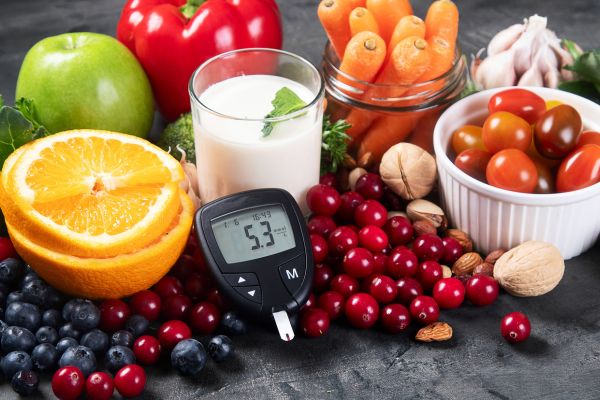
Living with type 2 diabetes often changes the way a person looks at food. Meals are no longer just about taste, comfort, or habit. They also become part of daily health management. That can feel overwhelming at first, especially when advice seems to come from every direction. One person says to cut carbs completely. Another says fruit is bad. Someone else insists that only a strict meal plan will work.
The truth is more balanced than that. A good type 2 diabetes diet plan is not about punishment or eating bland food forever. It is about choosing foods that help keep blood sugar steady, support a healthy weight, protect the heart, and still allow meals to feel satisfying. The best approach is realistic, flexible, and built around foods people can actually enjoy.
Understanding How Food Affects Type 2 Diabetes
Type 2 diabetes happens when the body has trouble using insulin properly or does not make enough insulin to keep blood sugar in a healthy range. Food plays a major role because carbohydrates break down into glucose, which enters the bloodstream. This does not mean carbohydrates are the enemy. It simply means the type, amount, and timing of carbohydrates matter.
A meal high in refined carbs and sugar can raise blood glucose quickly. A balanced meal with fiber, protein, and healthy fats tends to digest more slowly, helping blood sugar rise in a steadier way. This is why a type 2 diabetes diet plan usually focuses less on strict restriction and more on smart combinations.
For example, a bowl of plain white rice may raise blood sugar faster than a smaller portion of brown rice served with grilled fish, lentils, vegetables, and a little healthy oil. The second meal has more fiber and protein, so it is gentler on the body.
Building a Balanced Plate
One of the easiest ways to plan meals is to think of the plate in sections. Half the plate can be filled with non-starchy vegetables such as spinach, cauliflower, cucumbers, cabbage, okra, eggplant, green beans, lettuce, tomatoes, or bell peppers. These foods are naturally low in calories and carbohydrates but high in fiber, vitamins, and minerals.
The next part of the plate can include lean protein. This may be fish, chicken, eggs, lentils, beans, chickpeas, tofu, or low-fat dairy. Protein helps with fullness and slows digestion, which can make blood sugar easier to manage after meals.
The remaining portion can include a controlled serving of healthier carbohydrates. Good choices include oats, brown rice, whole wheat roti, barley, quinoa, sweet potatoes, beans, lentils, or fruit in sensible portions. The goal is not to remove carbs completely but to choose better ones and avoid oversized servings.
Foods to Eat More Often
A helpful diabetes-friendly diet includes foods that are close to their natural form. Vegetables are especially valuable because they add volume to meals without causing sharp blood sugar spikes. Leafy greens, broccoli, carrots, gourds, mushrooms, and peppers can be used in curries, soups, salads, omelets, and stir-fries.
Whole grains are better than refined grains because they contain more fiber. Oats, whole wheat, barley, and brown rice digest more slowly than white bread, sugary cereals, or polished white rice. Still, portions matter. Even healthy grains can raise blood sugar if eaten in large amounts.
Beans and lentils deserve a regular place in a type 2 diabetes diet plan. They provide both protein and carbohydrates, but their fiber content makes them more blood-sugar friendly than many refined starches. Lentil soup, chickpea salad, kidney beans, and daal can be filling, affordable, and nourishing.
Healthy fats are also useful when used in moderation. Nuts, seeds, olive oil, avocado, and fatty fish can support heart health. Since people with diabetes have a higher risk of heart problems, choosing better fats is important. The key is portion control because fats are calorie-dense.
Fruits Can Still Fit Into the Diet
Many people with type 2 diabetes worry about fruit because it contains natural sugar. But whole fruit is not the same as sweets, fruit juice, or sugary desserts. Whole fruits also contain fiber, water, antioxidants, and nutrients.
Better choices include apples, berries, oranges, guava, pears, peaches, and small portions of melon. Bananas, mangoes, grapes, and dates can still be eaten, but portion size needs more attention because they are sweeter and easier to overeat.
Fruit juice is different. Even fresh juice can raise blood sugar quickly because the fiber is mostly removed and several fruits may be squeezed into one glass. Eating one orange is usually a better choice than drinking a large glass of orange juice.
Foods to Limit or Avoid
A type 2 diabetes diet plan should limit foods that cause quick blood sugar spikes or add calories without much nutrition. Sugary drinks are one of the biggest concerns. Soft drinks, energy drinks, sweetened tea, packaged juices, and flavored coffees can send blood sugar up fast and do not provide lasting fullness.
Refined carbohydrates should also be reduced. White bread, pastries, biscuits, cakes, sugary cereals, and many packaged snacks digest quickly and can make blood sugar harder to control. These foods are not just about sugar; many are also high in unhealthy fats and low in fiber.
Fried foods are another area to watch. They may not always taste sweet, but they can contribute to weight gain, inflammation, and heart health problems. Fried chicken, chips, samosas, fries, and similar foods are best kept occasional rather than daily.
Highly processed meats such as sausages, hot dogs, and some deli meats should also be limited. They often contain excess salt, saturated fat, and preservatives. For daily meals, simpler protein options are usually better.
The Role of Portion Control
Even healthy food can become a problem when portions are too large. This is especially true for rice, roti, pasta, potatoes, and fruit. A person may choose brown rice instead of white rice, but eating a very large bowl can still raise blood sugar.
Portion control does not mean eating tiny meals or staying hungry. It means balancing the meal so one food group does not dominate the plate. Adding vegetables and protein can make a meal feel larger and more satisfying without relying only on carbohydrates.
Eating slowly also helps. The body needs time to recognize fullness. When meals are rushed, it is easy to eat more than needed before feeling satisfied.
Breakfast Ideas That Support Blood Sugar
Breakfast can set the tone for the whole day. A breakfast high in sugar or refined carbs may cause an early blood sugar spike followed by hunger soon after. A better breakfast includes protein, fiber, and moderate carbohydrates.
Oats with nuts and a small portion of fruit can be a good option. Eggs with vegetables and a whole wheat roti can also work well. Greek yogurt with seeds and berries is another balanced choice. For those who prefer traditional meals, daal with whole grain bread or a vegetable omelet can be filling and practical.
Skipping breakfast works for some people, but for others it may lead to overeating later. The best routine depends on medication, hunger patterns, blood sugar readings, and personal lifestyle.
Lunch and Dinner Choices
Lunch and dinner should be built around balance. A meal might include grilled chicken or fish, cooked vegetables, salad, and a small serving of brown rice or whole wheat roti. Another option could be lentils with vegetables and yogurt. A hearty vegetable soup with beans can also be satisfying.
Traditional foods can often be adjusted rather than removed. If rice is a regular part of the diet, the portion can be reduced and paired with more vegetables and protein. If roti is preferred, whole wheat or multigrain options may be better than refined flour. Curries can be cooked with less oil and more vegetables.
The goal is to make everyday meals healthier without making them feel completely unfamiliar. That is where long-term success usually happens.
Snacks That Make Sense
Snacking is not always necessary, but it can help if there is a long gap between meals or if blood sugar tends to drop due to medication. The best snacks are simple and balanced.
Good options include a handful of nuts, plain yogurt, boiled eggs, vegetable sticks with hummus, roasted chickpeas, or a small fruit paired with nuts. Sweet biscuits, chips, candy, and sugary tea may feel comforting in the moment, but they often make hunger and blood sugar swings worse later.
A useful rule is to avoid snacks that are mostly sugar or refined flour. Snacks should serve a purpose, not just fill a craving.
Hydration and Drinks
Water is the best everyday drink for people with type 2 diabetes. Unsweetened tea, black coffee, or herbal tea can also fit into the diet. The real issue is added sugar. Many drinks seem harmless but contain large amounts of sugar, especially bottled juices, flavored milk, and sweetened coffee drinks.
For people who enjoy tea, reducing sugar gradually can make the change easier. Taste buds adjust over time. What feels impossible at first may feel normal after a few weeks.
Making the Diet Plan Sustainable
A type 2 diabetes diet plan should fit real life. People have family meals, cultural foods, work schedules, cravings, celebrations, and busy days. A plan that ignores all of that usually does not last.
Instead of chasing perfection, it is better to focus on repeated good choices. Eating vegetables most days matters. Choosing water over sugary drinks matters. Reducing refined carbs matters. Walking after meals, when possible, can also help the body use glucose more effectively.
It is also important to monitor blood sugar as advised by a healthcare provider. Different people respond differently to the same food. One person may tolerate a small serving of rice well, while another may notice a bigger spike. Personal patterns are useful information.
Conclusion
Eating for type 2 diabetes is not about fear of food. It is about learning how meals affect the body and making choices that bring more steadiness into daily life. A thoughtful type 2 diabetes diet plan includes vegetables, lean proteins, high-fiber carbohydrates, healthy fats, and sensible portions. It limits sugary drinks, refined grains, fried foods, and heavily processed snacks, but it does not demand a joyless plate.
The most effective plan is one that feels livable. Small changes, repeated consistently, can make a real difference over time. With the right balance, food can become less of a struggle and more of a daily tool for better energy, better blood sugar control, and a healthier future.
