

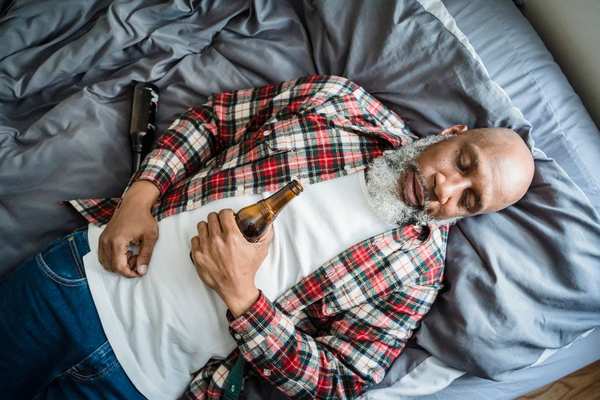
A nightcap can feel like a shortcut to sleep. Your shoulders loosen, the evening seems quieter, and you may drift off sooner than usual. Yet a surprisingly common morning-after experience is waking tired despite spending a full night in bed. That gap between feeling sleepy and getting restorative rest is central to understanding alcohol and sleep.
Alcohol has sedating effects, but sedation is not the same as healthy sleep. It can change when different sleep stages occur, make sleep less continuous, and affect breathing. The result may be a night that starts smoothly and becomes unsettled just when your body should be cycling through important stages of rest.
Why a Drink Makes You Feel Sleepy at First
Alcohol slows activity in the central nervous system and influences chemical signals involved in relaxation and alertness. This can make people feel drowsy, especially after several drinks. Some fall asleep faster, although the effect depends on the amount consumed, the timing, and the individual.
The Night Often Has Two Different Halves
Early sleep may feel deeper
After drinking, the first part of the night may contain more slow-wave sleep, particularly at higher doses. This can create the impression of exceptionally solid rest. It does not mean the entire night is healthier, and a heavy dose is not a reliable or safe way to obtain deep sleep.
Later sleep can become fragmented
As blood alcohol levels fall, sleep may become lighter and more interrupted. You might wake repeatedly, toss and turn, or become fully alert long before your alarm. Sometimes those awakenings are brief enough that you barely remember them, yet they still affect how refreshed you feel.
This split-night pattern is one reason alcohol sleep quality can be difficult to judge from bedtime alone. Instead of asking only how fast you fell asleep, notice whether you stayed asleep and how you functioned the following morning.
What Alcohol Does to REM Sleep
Rapid eye movement, or REM, sleep is a normal part of the nightly sleep cycle. It is associated with vivid dreaming and contributes to processes involved in learning and emotional regulation. REM periods generally become longer toward morning.
Research on alcohol and REM sleep shows that drinking can delay the first REM period and reduce REM duration. A systematic review of controlled studies found REM disruption even at relatively low doses, with larger disruptions as the dose increased. Some people experience changes in REM distribution later in the night as alcohol wears off, but that does not necessarily restore normal sleep architecture.
Breathing, Bathroom Trips and Other Hidden Disruptions
Snoring and sleep apnea
Alcohol relaxes muscles, including those around the upper airway. For some people, that can worsen snoring and sleep-disordered breathing. If you already have obstructive sleep apnea, drinking near bedtime may aggravate breathing interruptions and oxygen disturbances. Loud snoring, gasping during sleep, or marked daytime sleepiness deserve medical attention rather than another home remedy.
Waking hot, thirsty or needing the toilet
Alcohol can also increase urine production, particularly earlier after drinking, making a nighttime bathroom trip more likely. It affects temperature regulation and may leave you feeling warm or uncomfortable. These smaller disruptions add up, especially when they coincide with lighter sleep toward morning.
Combining alcohol with sleeping pills, opioids or other sedating medicines is particularly risky because their effects can compound. Ask a clinician or pharmacist about interactions, and do not use alcohol as a substitute for insomnia treatment.
Does One Drink Matter, or Only Heavy Drinking?
There is no universal amount that leaves sleep untouched. A small drink may have a less noticeable effect than several drinks, but research suggests even modest alcohol intake can alter REM sleep. Responses also differ with body size, medications, existing sleep problems and individual sensitivity.
The time between your last drink and bedtime matters too. Finishing earlier generally leaves more time for alcohol to be metabolized, but no fixed cutoff guarantees an unaffected night. Simply switching from spirits to wine does not remove alcohol’s sleep-related effects; the actual alcohol content and serving size count.
Consider two evenings: on one, you have wine with dinner and several hours pass before bed; on the other, you pour the same amount immediately before turning out the lights. The second pattern places alcohol’s sedating effects closer to sleep onset and may be more disruptive. Neither scenario guarantees perfect sleep, but the comparison helps explain why bedtime drinking is worth examining.
A Better Way to Test Your Own Sleep Pattern
If you drink occasionally and want to understand the effect, compare a few alcohol-free evenings with otherwise similar evenings when you drink. Keep bedtime, caffeine intake and wake time as consistent as practical. Write down how long it seemed to take to fall asleep, whether you woke overnight, and how alert you felt the next day.
If you rely on alcohol most nights to fall asleep, speak with a healthcare professional about safer insomnia treatments. People who drink heavily or may be alcohol-dependent should seek medical advice before stopping abruptly, because withdrawal can be dangerous.
How to Protect Your Sleep Without a Nightcap
Try replacing the end-of-day drinking cue with a wind-down ritual that genuinely signals rest: dim the lights, set aside work, and read or listen to something calming. Keep your bedroom cool and quiet, and aim for consistent sleep and wake times. Learn more about sleep hygiene habits and understanding sleep cycles to build a routine that supports the whole night.
For persistent insomnia, cognitive behavioural therapy for insomnia is a recommended first-line approach for many adults. And if snoring or breathing pauses are part of the picture, learn the sleep apnea warning signs and arrange an assessment rather than assuming a different bedtime routine will fix them.
Frequently Asked Questions
Does alcohol help you fall asleep faster?
It sometimes does, especially at higher doses, because it has sedating effects. But falling asleep sooner does not guarantee longer, steadier or more restorative sleep.
Why do I wake up at 3 a.m. after drinking?
As alcohol is processed, its initial sedating effects fade and sleep may become fragmented. Bathroom trips, changes in body temperature and breathing disturbances can also contribute. Other causes of early waking are possible.
Is wine better for sleep than beer or spirits?
No alcoholic beverage is inherently a sleep aid. What matters more is the alcohol dose, when it is consumed, and your personal response. The size and strength of a serving can be misleading.
How long before bed should I stop drinking alcohol?
Allowing several hours between drinking and bedtime may reduce overlap with sleep, but there is no guaranteed safe interval for sleep quality. Avoiding alcohol near bedtime is the more dependable choice.
The Bottom Line
A nightcap can make the first minutes of sleep easier while making the rest of the night less restful. Alcohol may shift REM timing, increase later awakenings and worsen breathing problems in susceptible people. If you want to judge its effect, look beyond how quickly you fall asleep to how often you wake and how you feel the next day. Better sleep is about the whole night, not just its beginning.
