

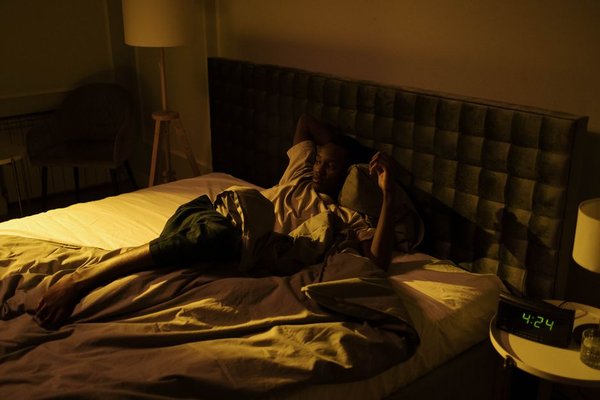
You climb into bed feeling tired, but the moment your legs are still, an uncomfortable urge to move begins. You stretch, change positions or get up for a walk. The sensation eases, only to return when you lie down again. That pattern can signal restless legs syndrome at night, a condition that disrupts sleep for reasons different from ordinary insomnia.
Restless legs syndrome (RLS), also called Willis-Ekbom disease, is a neurological condition involving an urge to move the legs, often accompanied by unpleasant sensations. Recognizing its particular timing and triggers can explain why bedtime becomes the hardest part of the day.
Why Restless Legs Feel Worse at Bedtime
RLS symptoms commonly appear or intensify during inactivity, especially in the evening or at night. Sitting through a film or lying quietly in bed can bring them on, even after a comfortable day. Mornings are often noticeably easier.
The exact reason for this daily rhythm is not fully understood. Researchers have linked RLS to iron regulation in the brain and pathways involving dopamine, which helps coordinate movement. That does not mean everyone with RLS has low blood iron.
What Restless Legs Symptoms Actually Feel Like
People describe crawling, tingling, pulling, itching, throbbing or an internal restlessness that is difficult to pinpoint. Sometimes the sensation is painful, but not always. Symptoms usually affect the legs, although the arms may occasionally be involved.
The Pattern Matters More Than the Sensation
Clinicians look for an urge to move that starts or worsens at rest, improves at least temporarily with movement, and is worse in the evening or night. They also check whether another condition better explains the symptoms. Walking, stretching or pacing may help, but discomfort often returns once movement stops.
Leg urges at night are especially suggestive of RLS when standing up provides quick relief. Simply fidgeting after a long day is not enough to establish a diagnosis.
How RLS Interrupts Sleep
At bedtime, the need to move competes with the stillness required for sleep. Someone may repeatedly get out of bed and grow increasingly frustrated despite being exhausted. RLS can also make it difficult to fall asleep again after a nighttime awakening.
Repeated sleep disruption may cause fatigue, poor concentration, irritability and reduced daytime functioning. Although it can resemble insomnia, the immediate obstacle is often a physical urge to move rather than wakefulness alone. Understanding insomnia symptoms and causes can help put this difference in context.
Periodic Limb Movement During Sleep
Many people with RLS also experience periodic limb movements of sleep, or PLMS. These are involuntary, repetitive leg movements after falling asleep. A bed partner may notice twitching or kicking that the sleeper does not remember.
Periodic limb movement is not the same as RLS. RLS involves a conscious urge and discomfort, generally while awake; PLMS describes movements during sleep. Such movements can occur without RLS, too, and may contribute to fragmented sleep in some people.
What Makes Nighttime Symptoms Worse?
Several factors deserve attention. Low iron stores can contribute even without obvious anemia. Pregnancy, especially later in pregnancy, and kidney disease are also associated with RLS. Family history can increase the likelihood of developing the condition.
Caffeine, alcohol and nicotine aggravate symptoms in some people. Sleep loss may worsen the following evening, creating a frustrating cycle. Certain medicines, including some sedating antihistamines, anti-nausea drugs and antidepressants, can also make symptoms worse. Do not stop prescribed medication without discussing it with your clinician.
RLS or Something Else?
A nighttime leg cramp usually produces a sudden, painful muscle contraction, often in the calf. RLS more commonly causes an internal urge to move without a sustained spasm. Nerve problems may produce burning or numbness that does not follow the familiar rest-evening-movement pattern.
Joint pain and habitual foot tapping can also be mistaken for restless legs symptoms. New one-sided swelling, redness, warmth or significant pain should not automatically be attributed to RLS; seek prompt medical assessment because other conditions may require urgent attention.
Practical Ways to Make Bedtime Easier
For mild symptoms, try consistent sleep and wake times, moderate daytime exercise and reducing late-day stimulants. Gentle stretching, leg massage, a warm bath or a comfortably warm or cool pack may offer temporary relief. Notice what helps you rather than forcing an elaborate routine.
Imagine your legs start crawling around 10 p.m. Instead of staying in bed growing frustrated, take a short, gentle walk and notice when the sensation settles. Record whether it returns after lying down, alongside your caffeine intake, medicines and sleep. A brief symptom diary can help reveal patterns worth discussing with a clinician.
Healthy sleep hygiene habits support rest, but they may not control RLS by themselves. If the urge to move keeps returning, targeted assessment is more useful than simply trying harder to relax.
When to Seek Medical Advice
Arrange an appointment if symptoms repeatedly delay sleep, interrupt the night or affect daytime life. Diagnosis usually relies on your description of the pattern, medical history and examination; there is no single definitive test. A sleep study may be considered when another problem, such as sleep apnea, is suspected, but it is not routinely needed for RLS.
A clinician may assess iron status, including ferritin and transferrin saturation, and review associated conditions or medicines. Avoid starting high-dose iron supplements without testing and guidance: excess iron can be harmful.
Persistent or severe RLS may warrant prescription treatment. The American Academy of Sleep Medicine’s 2025 guideline supports options such as gabapentin and pregabalin for suitable adults. It cautions against routinely using several dopamine-acting drugs because long-term treatment can paradoxically worsen symptoms, a complication called augmentation. Your clinician can weigh benefits, risks and personal circumstances.
Frequently Asked Questions
Can restless legs syndrome happen only at night?
Yes. Some people notice symptoms almost exclusively while settling down in the evening. Others experience them during daytime rest, particularly when the condition is more severe.
Does moving your legs mean you have RLS?
No. The key clue is a hard-to-resist urge, often with discomfort, that worsens at rest and improves with movement. Many other causes of leg movement do not fit this pattern.
Can restless legs cause daytime tiredness?
Yes. Delayed sleep onset and repeated awakenings may leave someone tired, distracted or irritable the following day, despite spending many hours in bed.
Will restless legs go away on their own?
Symptoms sometimes improve or disappear for a while, particularly when a temporary factor such as pregnancy resolves. Persistent RLS may fluctuate, but recognizing triggers and getting appropriate care can reduce its impact.
Recognizing the Pattern Is the First Step
Restless legs syndrome is not simply an inability to relax. Its signature is nighttime discomfort followed by movement and temporary relief. Tracking that cycle and getting help when sleep suffers can turn confusing leg restlessness into a condition that is easier to understand and manage.
