

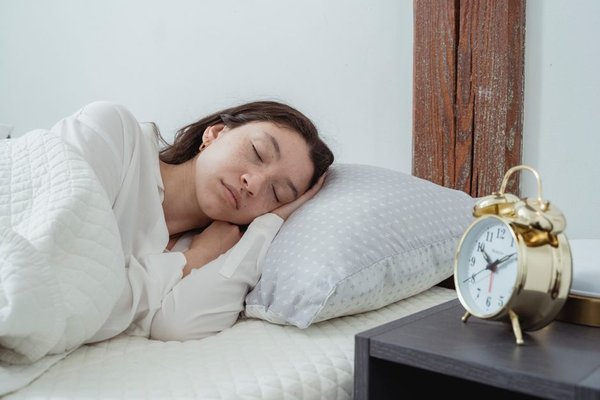
You turn off the light, but your brain starts running through tomorrow’s tasks. Minutes pass, and now you’re worrying about the sleep you’re missing. If you’re searching for how to fall asleep faster, you probably don’t need another complicated ritual. You need a calmer lead-up to bed and fewer reasons to stay alert.
Sleep onset—the time between trying to sleep and actually falling asleep—varies from night to night. The goal isn’t to race a clock. It’s to create reliable conditions for sleep without making bedtime another stressful assignment.
Start with the morning, not the pillow
One of the most effective sleep tips happens long before bedtime: choose a wake-up time you can maintain. Getting up at dramatically different hours can shift your body clock, making an early bedtime difficult even when you’ve had a tiring day. A consistent sleep schedule is worth exploring before buying any sleep gadget.
Give your body daytime cues
Get some daylight after waking, preferably outdoors, and make room for physical activity during the day. Light supports your internal clock, while movement can support sleep. If strenuous evening workouts leave you alert, try finishing them earlier. You don’t need a perfect exercise routine.
Caffeine can remain active for hours. If sleep is elusive, move your last coffee, energy drink or strong tea earlier and see whether that helps. Long or late naps can reduce sleepiness at bedtime. When a nap is necessary, keeping it short and earlier in the day may be easier on your nighttime routine.
Create an evening routine you’ll actually follow
Think of the hour before bed as a gradual change of pace, not a checklist. You might dim bright lights, put work aside, wash up and spend some time reading. An imperfect 30-minute routine you repeat is more useful than an elaborate routine you abandon after two nights.
Imagine you aim to sleep around 11 p.m. At 10:15, finish messages and prepare your bag for tomorrow. At 10:30, take a warm shower and read a familiar book. When you start feeling genuinely sleepy, head to bed. The exact times aren’t rules; they’re an example of making the transition less abrupt.
Choose restful activities, not performative relaxation
Bedtime relaxation could mean soft music, gentle stretching or a quiet audiobook. If meditation leaves you more aware of your thoughts, choose something else. Try to avoid stressful conversations and last-minute work. Screens aren’t automatically disastrous, but bright light and engaging content can keep you alert, so reduce brightness and skip endless scrolling.
Make your bedroom less stimulating
A cool, dark and quiet room is a useful starting point. Curtains or an eye mask can reduce unwanted light; earplugs or steady background sound may soften disruptive noise. Adjust bedding and temperature for comfort instead of chasing a supposedly perfect number. A closer look at bedroom environment and sleep can help you identify what matters most in your space.
Start with the obvious irritant. Maybe it’s a blinking charger, a warm pillow or notifications vibrating on the nightstand. Fixing one repeated interruption may be more worthwhile than shopping for several products advertised as sleep solutions.
Give tomorrow’s worries an earlier appointment
When your mind treats the pillow as a meeting room, try a five-minute written reset before winding down. List tomorrow’s priorities, unfinished tasks and worries. Beside each item, write a simple next step. You’re not solving every problem; you’re giving yourself permission to stop mentally rehearsing the list.
In bed, loosen your jaw and shoulders, breathe gently and allow your exhale to become unhurried. Progressive muscle relaxation or calm imagery may help, too. Don’t measure whether it works every minute. Bedtime isn’t an exam, and forcing yourself to relax can become another reason to feel frustrated.
What to do when you can’t fall asleep
Watching the minutes accumulate can turn ordinary wakefulness into panic. Turn your clock away. If you’ve been awake long enough to feel frustrated or noticeably alert, get out of bed if you can do so safely. Sit somewhere dim and read something quiet, then return when sleepiness comes back. There’s no need to keep checking the time.
This technique helps preserve the connection between bed and sleep, rather than pairing the mattress with worrying. Avoid turning the break into a new activity by checking email or doing chores. The following morning, try to get up near your normal time instead of sleeping in for hours.
Skip fixes that create new problems
Alcohol may initially feel sedating but can disturb sleep later. Large late meals, nicotine and excessive fluids near bedtime can also interfere. Notice your own patterns rather than treating every evening snack as a mistake.
Sleep supplements aren’t automatically harmless or effective for every cause of trouble falling asleep. Melatonin may be useful for certain body-clock timing problems, but it isn’t a universal cure for insomnia. Ask a healthcare professional before using sleep aids, particularly if you take other medicines or have a health condition.
Recognize when a pattern deserves help
An occasional restless night doesn’t necessarily signal a disorder. But if difficulty falling asleep regularly affects your energy, concentration or mood, talk with a healthcare professional. Mention loud snoring, gasping, uncomfortable leg sensations, persistent pain or medication changes; these may point to different issues.
For chronic insomnia, cognitive behavioral therapy for insomnia (CBT-I) is a recommended first-line treatment. It works on sleep-related thoughts and behaviors using structured methods, not just a few sleep hygiene reminders. Learning about insomnia and CBT-I is a useful next step when basic habits aren’t enough.
Frequently asked questions
How can I fall asleep faster tonight?
Lower the lights, step away from stressful work, make your bedroom comfortable and choose one quiet activity. Go to bed when you’re sleepy rather than forcing an early bedtime. If lying awake becomes frustrating, take a calm break outside the bed.
Is taking 20 or 30 minutes to fall asleep normal?
Sleep onset changes with stress, timing and daily habits. A longer stretch on one night doesn’t automatically mean insomnia. Pay more attention to recurring difficulties and how well you function during the day than to a single stopwatch reading.
Should I stay in bed until I fall asleep?
Not if you’re becoming fully alert or upset. Briefly leaving bed for a low-stimulation activity can be more helpful than struggling with the pillow. Return when sleepy, without watching the clock.
What if a bedtime routine doesn’t improve my sleep?
Check daytime factors such as late caffeine, irregular wake times and stress. Keep useful habits consistent, but don’t add endless rituals. If your sleep problems persist or affect daily life, ask for an assessment and evidence-based treatment options.
Make sleep easier, not more complicated
Learning how to fall asleep faster usually means reducing pressure, not trying harder. Keep mornings fairly steady, make evenings quieter and stop treating a wakeful moment as failure. Choose a few habits you can repeat, then give yourself room to sleep naturally.
