

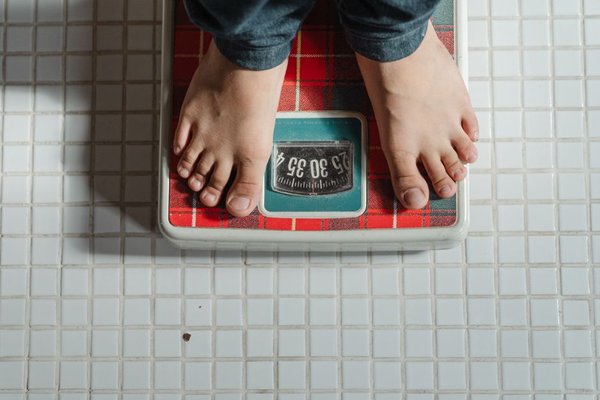
Weight loss often feels easiest at the beginning. A calorie deficit is created, the scale moves, and progress can seem predictable. Then the pace slows. Weeks that once produced noticeable change may deliver only small losses even when eating and exercise habits look similar. That slowdown is not proof that the metabolism has stopped working. It is usually the result of several normal changes, including metabolic adaptation during weight loss.
As body weight falls, the body naturally needs less energy. A lighter person uses fewer calories at rest and during movement than the same person did at a higher weight. In some people, energy expenditure also drops a little more than expected from the change in body size and composition alone. Researchers call this adaptive thermogenesis. Its size varies widely, and evidence suggests the effect may be modest in many people.
Why Energy Needs Fall During Weight Loss
Part of the slowdown is simple physics and physiology. If you weigh less, you have less tissue to maintain and less mass to move. Walking a mile, climbing stairs, or completing the same daily routine therefore costs slightly less energy than it did before.
Adaptive thermogenesis is different. It refers to a reduction in energy expenditure beyond the decrease researchers would predict from the loss of body mass and changes in body composition. This can affect resting energy expenditure and the calories burned through everyday movement. It does not happen to the same degree in everyone.
That distinction matters because people often blame every weight loss plateau on a “damaged metabolism.” In reality, the expected drop in calorie needs from becoming smaller may account for much of the change, while adaptive thermogenesis is only one additional factor.
Why a Weight Loss Plateau Develops
A plateau usually appears when the calorie deficit that produced earlier progress has become much smaller. Metabolic adaptation can contribute, but so can increased appetite, reduced spontaneous activity, portion drift, and normal changes in water weight.
Consider a practical example. Someone starts losing weight while eating about 2,000 calories per day. At their starting weight, that intake creates a clear deficit. Several months later, after losing a meaningful amount of weight, their maintenance needs are lower. They may also be taking fewer steps without realizing it. The same 2,000 calories that once produced steady loss could now be much closer to maintenance.
This is why a plateau is better viewed as a signal to reassess the current plan rather than evidence that weight loss has become biologically impossible.
The Hidden Role of Everyday Movement
One of the easiest changes to miss is a drop in non-exercise activity. During prolonged calorie restriction, people may spend more time sitting, fidget less, take fewer spontaneous trips around the house or office, and generally move less outside planned workouts.
A person can still complete three gym sessions each week while total daily energy expenditure falls because the rest of the day has become more sedentary. Checking step counts or general activity for a week can reveal whether this has happened. Keeping everyday movement reasonably consistent can help prevent an unnoticed reduction in energy expenditure.
Appetite Often Pushes in the Opposite Direction
Weight loss does not only affect calorie output. It can also affect calorie intake by making hunger harder to manage. As dieting continues, appetite can rise, and small changes in portions or snacking can narrow the deficit.
This does not require a dramatic overeating episode. An extra spoonful of cooking oil, larger weekend portions, a few bites while preparing food, or more frequent calorie-containing drinks can add up. When progress slows, reviewing these details is often more useful than assuming adaptive thermogenesis is the sole cause.
How to Respond When Progress Slows
Start by confirming that there is a genuine plateau. Body weight can fluctuate because of water, sodium, glycogen, digestion, and training. Several days without movement on the scale is not enough to prove that fat loss has stopped. Look at a multi-week trend instead.
Next, review the habits that created the original deficit. Check serving sizes, snacks, drinks, restaurant meals, cooking fats, and weekend eating. If you track food, a short period of more careful measuring may show where intake has gradually increased.
Then look at activity. Maintaining regular steps and resistance training can help support total energy expenditure and preserve lean mass. Adequate protein can also support muscle retention and satiety. Related topics worth exploring include sustainable calorie deficits, protein intake for weight management, and strength training during fat loss.
If the weight trend has been flat for several weeks and your routine is consistent, a modest calorie adjustment or a small increase in activity may recreate a deficit. Large, repeated cuts are rarely necessary and can make a plan harder to sustain.
Can You Reset Metabolism?
The popular idea that a cheat meal, supplement, or short refeed can completely “reset” metabolism is not supported by strong evidence. Adaptive thermogenesis is a normal physiological response, not a broken switch.
A maintenance phase can still be useful. Spending time at a stable body weight may reduce diet fatigue, make training easier to sustain, and provide practice maintaining progress. Research also suggests adaptive thermogenesis may become smaller after weight has stabilised, although the amount and duration vary between individuals. A maintenance period is best viewed as a practical strategy, not a guaranteed metabolic reset.
Frequently Asked Questions
How much can metabolic adaptation slow weight loss?
There is no single number that applies to everyone. Research shows substantial individual variation, and better-controlled studies often find smaller effects than popular discussions suggest. The normal reduction in calorie needs from weighing less can be just as important.
Does a weight loss plateau mean my metabolism is damaged?
No. A plateau usually reflects a smaller calorie deficit, lower energy needs, changes in movement or appetite, or temporary shifts in water weight. Metabolic adaptation is a normal response to weight loss rather than evidence of permanent damage.
Should I lower calories every time progress slows?
Not automatically. First confirm that the trend has truly stalled and review food intake, activity, and consistency. If a change is needed, a modest calorie adjustment is usually more practical than a large reduction.
Does metabolic adaptation last forever?
It can persist for a period of time, but the size of the effect varies. Evidence suggests it may lessen after weight stabilisation. Long-term weight management is therefore better built around sustainable eating and activity habits than attempts to outsmart metabolism.
Work With the Change, Not Against It
Weight loss tends to slow because the body being maintained is smaller, everyday movement can decrease, appetite can rise, and some degree of adaptive thermogenesis may occur. None of these changes makes continued progress impossible. They simply mean the plan that worked at the beginning may need to evolve. Use multi-week trends, keep movement consistent, review intake honestly, and make measured changes. Once the causes of a plateau are separated, the slowdown becomes easier to understand and manage.
