

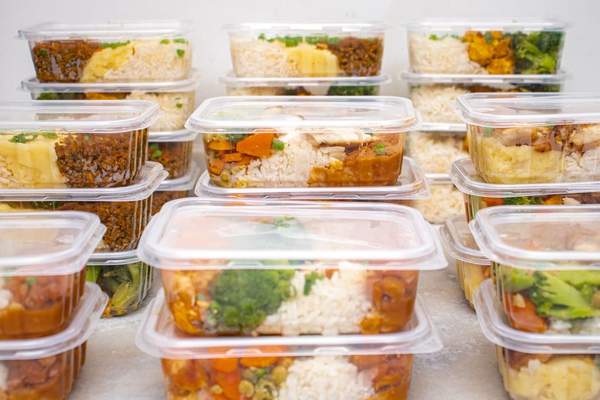
Batch cooking works best when it feels less like an all-day kitchen project and more like a practical system for making the week easier. Instead of cooking seven complete meals from scratch, you prepare a handful of flexible components or finished dishes in one focused session, then mix, match, refrigerate, or freeze them for later. For meal prep for beginners, that shift makes the process much more manageable.
Start With a Simple Weekly Formula
The easiest way to begin is to plan fewer things, not more. Choose two proteins or protein-rich mains, two vegetables, one grain or starch, and one sauce or flavour booster. Those elements can become several meals without requiring a different recipe every day.
For example, roast chicken thighs and seasoned chickpeas, cook brown rice, and roast broccoli and peppers. Add a lemon-yogurt sauce and a tomato-based sauce. During the week, those ingredients can become rice bowls, wraps, salads, or quick plated dinners. This is one of the most useful batch cooking tips because it creates variety without adding much prep time.
Choose Recipes That Hold Up Well
Some foods are naturally better for batch cooking than others. Soups, stews, curries, casseroles, roasted vegetables, cooked grains, beans, meatballs, shredded chicken, and many pasta sauces usually store and reheat well. Delicate leafy salads, crispy fried foods, and fresh garnishes are better assembled close to serving.
Look for recipes with shared ingredients. If two meals use onions, peppers, spinach, and similar herbs, you can chop everything once. This reduces preparation time and food waste while keeping the shopping list focused.
Prep in the Right Order
A smooth batch cooking session is mostly about sequencing. Start with the items that take the longest, then use their cooking time for shorter tasks. Put oven dishes in first, start grains or soup on the hob, then prepare sauces and cold ingredients while those foods cook.
A realistic beginner session
Imagine you are making rice, roasted vegetables, chicken, chickpeas, and one sauce. First preheat the oven and start the rice. While the rice cooks, chop the vegetables and season the chicken and chickpeas. Roast them on separate trays, then mix the sauce and prepare storage containers. Depending on quantities and equipment, a straightforward session like this can cover several meals without taking over the entire day.
Use Containers That Match the Meal
You do not need a cupboard full of special meal-prep boxes. A small set of well-sealing containers in different sizes is more useful. Shallow containers are practical for cooked foods because they help food cool more quickly. Freezer-safe containers or bags work well for soups, beans, sauces, and other foods intended for freezer meal prep.
Label freezer portions with the name and date. Freeze food in amounts you are likely to use at one time rather than one large block, so you can thaw one meal without defrosting the entire batch.
Build Food Safety Into the Routine
Batch cooking saves time only when food is cooled and stored safely. Refrigerate cooked perishable food promptly rather than leaving it on the counter for a long cooling period. A widely used food-safety rule is to refrigerate leftovers within two hours, or within one hour when the temperature is above 90°F (32°C). Dividing large batches into shallow containers helps them cool faster.
Keep the refrigerator at 40°F (4°C) or below and the freezer at 0°F (-18°C) or below. Most cooked leftovers should be used from the refrigerator within three to four days. If you are preparing meals for later in the week, freeze those portions soon after cooking instead of waiting until the end of their refrigerated storage window.
When reheating leftovers, heat them thoroughly to 165°F (74°C). A food thermometer is more reliable than judging by steam or appearance alone, particularly with casseroles and dense portions.
Keep the Week Flexible, Not Rigid
One reason people abandon meal prep is that a Sunday plan can feel unappealing by Thursday. Avoid locking every ingredient into a finished meal. Keep some components separate so you can change flavours as the week unfolds. Cooked chicken, for example, might become a grain bowl one day and a wrap with crunchy vegetables the next.
This approach also makes leftovers easier to use. A small amount of rice, roasted vegetables, and protein can become a quick bowl rather than starting another recipe. If you are building a broader system, a weekly meal planning guide, healthy pantry staples, and freezer organization tips are natural topics to explore alongside batch cooking.
Keep Your First Session Deliberately Small
Your first batch cooking session does not need to cover every breakfast, lunch, and dinner. Preparing three lunches, one dinner for two nights, and an extra freezer portion is enough to learn what works in your kitchen. Once the process feels natural, you can expand it.
Improve one bottleneck at a time. If chopping takes too long, consider some pre-cut vegetables when the price makes sense. If repeated flavours become boring, batch-cook neutral ingredients and add different sauces at serving time. If freezer space is limited, use compact portions. The system should become easier with practice, not more complicated.
Frequently Asked Questions
How many days can batch-cooked meals stay in the fridge?
Many cooked leftovers can be refrigerated for three to four days when kept at 40°F (4°C) or below. For meals intended for later in the week, freeze them promptly and thaw them safely before reheating.
What foods are best for freezer meal prep?
Soups, stews, curries, cooked beans, meatballs, casseroles, sauces, and many cooked grains freeze well. Foods that depend on crisp textures or fresh leafy greens are usually better prepared closer to serving.
Do I need special meal-prep containers?
No. Choose sturdy, food-safe containers that seal well and suit your refrigerator or freezer. A mix of shallow containers for cooling and freezer-safe portions for longer storage is usually enough.
How can I keep batch-cooked meals from becoming boring?
Cook flexible base ingredients and change sauces, vegetables, garnishes, or serving formats through the week. One batch of rice and chicken can become a bowl, wrap, salad topping, or quick dinner plate.
Make the System Repeatable
The best batch cooking meal prep guide is not the one with the most recipes; it is the one you can repeat without dreading the process. Start with a small group of versatile foods, cook them in an efficient order, store them safely, and leave enough flexibility to change meals during the week. After a few sessions, you will know which quantities, containers, and recipes fit your household, turning batch cooking into a useful routine rather than another weekend chore.
