

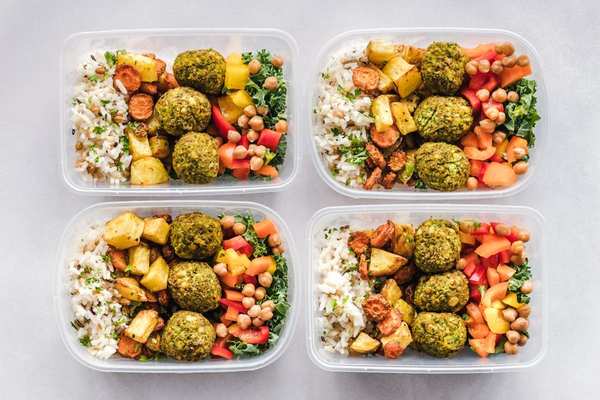
Plant based meal prep for the week works best when you stop thinking in terms of seven separate meals and start thinking in building blocks. A pot of grains, a tray of roasted vegetables, a batch of beans, a sauce, and a few fresh extras can become several different lunches and dinners without making every day feel repetitive. The goal is not to spend Sunday filling identical containers. It is to make the busiest parts of the week easier while keeping meals flexible and enjoyable.
Start With a Weekly Meal Map
Before cooking, decide how many meals you actually need. If you work from home twice a week, eat out on Friday, or already have leftovers planned, there is no reason to prepare ten full meals. A practical plant based meal planning routine might cover five lunches and four dinners, leaving space for spontaneity.
Choose two meal formats that use the same core ingredients in different ways. One batch of brown rice, chickpeas, roasted peppers, courgettes, and broccoli can become grain bowls for lunch and a quick stir-fry for dinner. Add a lentil tomato sauce and you have another option that can be served with pasta, baked potatoes, or rice.
Use the Building-Block Method
A reliable vegan meal prep session becomes much faster when each component has a clear job. Aim to prepare one or two items from each group rather than cooking several complete recipes from start to finish.
Cook a versatile grain
Brown rice, quinoa, bulgur, couscous, barley, and wholegrain pasta all work well for make-ahead meals. Pick one that suits the dishes you have planned. Rice and quinoa are useful for bowls, stir-fries, or burrito-style meals, while pasta and bulgur work well for salads and warm vegetable dishes.
Prepare a protein base
Beans, lentils, chickpeas, tofu, tempeh, and edamame can provide the main protein element. Keep seasoning fairly neutral if an ingredient will appear in more than one meal. Chickpeas with olive oil, smoked paprika, and cumin can work in a grain bowl, wrap filling, or salad without locking you into one flavour profile.
Cook vegetables in batches
Roasting two trays of vegetables at once is an easy way to reduce weekday cooking. Choose vegetables that hold their texture well, such as carrots, cauliflower, broccoli, peppers, onions, squash, or courgettes. Keep one fresh vegetable or leafy green uncooked so meals still have contrast and crunch.
Make one flexible sauce
A good sauce prevents batch cooking from tasting like the same dinner repeated. Try a lemon-tahini dressing, herby plant-based yogurt sauce, peanut-lime sauce, or simple tomato dressing. Store it separately and add it just before eating where possible.
A Realistic Sunday Prep Example
Imagine you have about 90 minutes on Sunday. Start a pot of quinoa, then roast broccoli, peppers, and red onion while another tray cooks seasoned chickpeas. At the same time, simmer red lentils with chopped tomatoes, garlic, herbs, and spinach.
While those cook, mix a quick tahini-lemon dressing and wash some salad leaves. By the end, you have components for quinoa bowls with chickpeas and roasted vegetables, lentil stew over quinoa, a warm salad, and chickpea wraps assembled fresh. This is the advantage of batch cooking vegan food as components rather than pre-assembling every meal.
Plan for Five Days Without Sacrificing Food Safety
Not every cooked meal should sit in the refrigerator from Sunday until Friday. Current USDA food-safety guidance recommends using most cooked leftovers within three to four days when refrigerated, so a five-day meal-prep routine is safer when later-week portions are frozen rather than kept chilled for the entire week.
A simple approach is to refrigerate meals for Monday through Wednesday and freeze Thursday or Friday portions soon after they have cooled and been packed safely. Move a frozen portion to the refrigerator the night before you need it. Shallow containers help food cool more quickly, and cooked perishable food should be refrigerated promptly.
Keep Meals Interesting With Finishing Ingredients
The difference between a prepared meal that feels convenient and one that feels dull is often the final 30 seconds. Keep toppings ready that require little work: fresh herbs, lemon wedges, toasted seeds, chopped spring onions, salsa, pickled vegetables, avocado, or hummus.
The same quinoa and chickpeas can taste Mediterranean with cucumber, parsley, lemon, and tahini one day, then feel completely different with salsa, avocado, and lime the next. That variety matters if you have abandoned vegan meal prep before because every container tasted identical.
Make Weekday Assembly Faster
Store components according to how you will use them. For a cold grain bowl, you can portion the grain, beans, and roasted vegetables together, but keep dressing and delicate greens separate. For reheated meals, pack heat-safe components together and add fresh garnishes afterward.
Label containers if your refrigerator tends to become crowded, and put the food you need first at eye level. Meal prep only saves time when the prepared food is easy to see and grab.
Avoid Common Meal-Prep Problems
One common mistake is preparing too much food. Start with fewer portions and adjust after a week or two. Another is relying on one texture. A bowl of soft rice, beans, and roasted vegetables can feel heavy, so add something crisp, acidic, or fresh.
Also avoid overcomplicating the shopping list. Good plant based meal prep for the week can be built from a small set of ingredients used in different combinations. Buying specialist ingredients for several separate recipes usually increases cost, prep time, and food waste.
Frequently Asked Questions
How far in advance can I prepare plant-based meals?
Many cooked components can be prepared several days ahead, but storage time depends on the food. As a general rule, refrigerate cooked leftovers for no more than three to four days and freeze portions you want to keep longer.
What are the best plant-based foods for meal prep?
Grains, beans, lentils, chickpeas, tofu, roasted vegetables, sturdy greens, soups, stews, and sauces are practical because they store and reheat well. Delicate salad leaves, avocado, and crunchy toppings are usually better added closer to serving.
How do I stop vegan meal prep from becoming repetitive?
Prepare neutral building blocks and change the finishing flavours. Different sauces, herbs, toppings, and fresh vegetables can make the same grain and protein base feel like several distinct meals.
Do I need to prep every meal for the entire week?
No. Preparing even three lunches and two dinners can remove a lot of weekday pressure. The most sustainable routine is the one that matches your actual schedule rather than filling the refrigerator with food you may not eat.
Make Meal Prep Serve Your Week
The easiest plant-based meal prep routine is flexible, not rigid. Cook a few dependable components, use them in more than one way, refrigerate what you will eat soon, and freeze later portions when needed. Once the basic system is in place, weekday meals become less about starting from scratch and more about assembling something satisfying in minutes.
