

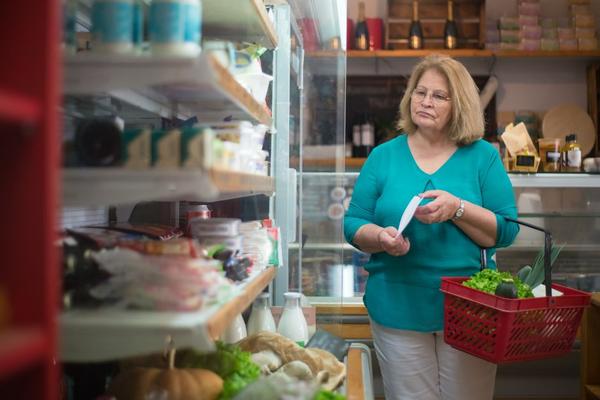
A Mediterranean-style kitchen is easier to maintain when the right foods are already in the house. Instead of shopping for a rigid diet plan, build your cart around versatile ingredients you can combine into quick breakfasts, lunches and dinners. The pattern is mostly plant-forward, with vegetables, fruit, whole grains, beans, nuts and olive oil at the centre, plus fish, seafood, poultry, eggs and dairy in moderate amounts.
The smartest Mediterranean diet grocery list is not necessarily the longest one. Start with foods you already enjoy, choose produce that fits your budget and season, and stock a few reliable pantry staples so healthy meals do not depend on a last-minute supermarket run.
Fresh vegetables: make these the backbone of the cart
Choose a colourful mix you can eat raw, roast, grill or add to soups and grain bowls. Useful choices include tomatoes, cucumbers, peppers, courgettes, aubergines, onions, garlic, carrots, broccoli, cauliflower, spinach, kale, rocket and mixed salad leaves.
Fresh herbs such as parsley, basil, mint, coriander and dill can make simple food taste much more interesting without relying on heavy sauces. If fresh vegetables regularly spoil before you use them, buy some frozen options as well. Frozen spinach, peas, green beans, broccoli and mixed vegetables can be just as practical for everyday cooking.
Fruit for breakfast, snacks and simple desserts
Apples, oranges, pears, grapes, berries, peaches, nectarines, melons and stone fruit all fit comfortably into a Mediterranean-style eating pattern. Choose what is affordable and appealing rather than chasing a perfect list.
Fresh and frozen fruit both work. Frozen berries are especially useful for oats, yoghurt and smoothies, while dried fruit such as dates, figs, raisins and apricots can add sweetness to porridge or salads. Because dried fruit is concentrated, smaller portions are usually enough.
Whole grains and high-fibre carbohydrates
Whole grains are among the most useful Mediterranean pantry staples because they turn vegetables and proteins into complete meals. Add oats, brown rice, whole-wheat pasta, bulgur, barley, farro, quinoa and whole-grain bread or wraps to your mediterranean diet shopping list.
Potatoes and sweet potatoes also fit well.
Beans, lentils and other pulses
Beans and lentils are inexpensive, filling and easy to store. Keep chickpeas, cannellini beans, kidney beans, black beans, butter beans and lentils on hand. Canned versions are convenient; draining and rinsing them can reduce some of the added sodium.
Use chickpeas in salads, blend white beans into soups, add lentils to tomato sauces or combine beans with brown rice and vegetables for a fast lunch. These are the ingredients that make a healthy grocery list work even when you have not bought fresh meat or fish.
Healthy fats: olive oil, nuts and seeds
Extra-virgin olive oil is the signature added fat in Mediterranean-style eating. Use it for salad dressings, roasting vegetables and finishing soups or grains.
Add walnuts, almonds, pistachios, hazelnuts, pumpkin seeds, sunflower seeds, chia seeds or sesame seeds depending on your preferences. Nuts make easy snacks and add texture to yoghurt, oats and salads. Nut butters can also be useful when the ingredient list is simple and added sugar is limited.
Fish and seafood
Fish is typically the preferred animal protein in Mediterranean-style patterns. Salmon, sardines, trout, mackerel, tuna, prawns and white fish are all practical choices. Fresh fish is not required every time: canned tuna, salmon and sardines can turn pantry ingredients into a quick meal.
For example, combine canned chickpeas, chopped tomatoes, cucumber, parsley and olive oil, then add tuna or sardines for a five-minute lunch. That single meal uses shelf-stable staples while still feeling fresh and substantial.
Poultry, eggs and moderate amounts of dairy
Chicken and turkey can add variety when you want an alternative to fish or beans. Eggs are another flexible option for breakfasts, salads, grain bowls and quick dinners.
For dairy, consider plain Greek yoghurt, natural yoghurt, feta, ricotta or smaller amounts of other cheeses. The Mediterranean pattern does not require dairy-free eating; it generally uses dairy in moderate portions rather than making cheese or cream the main component of every meal.
Flavour builders that make simple ingredients work
A good grocery list should include ingredients that prevent healthy food from tasting repetitive. Stock lemons, vinegar, capers, olives, canned tomatoes, tomato paste, garlic, onions, mustard and herbs and spices such as oregano, cumin, paprika, cinnamon and black pepper.
These ingredients let you change the character of the same basic foods. Lentils can become a warm cumin-spiced bowl, a tomato-based soup or a lemony salad depending on the seasonings you use.
Foods to buy less often, not necessarily ban
Mediterranean-style eating is defined more by what you eat regularly than by a long forbidden-food list. Highly processed meats, sugary drinks, sweets, refined snacks and foods high in saturated fat are generally kept less frequent.
That leaves room for flexibility. If your weekly cart is mostly produce, whole grains, beans, nuts, olive oil and sensible protein choices, one dessert or convenience food does not undo the overall pattern.
A practical one-week starter shop
If you are starting from an empty kitchen, keep the first shop manageable. Choose three or four vegetables, two fruits, one leafy green, oats, whole-grain bread, brown rice or whole-wheat pasta, two types of beans, eggs, plain yoghurt, one fish option, olive oil, nuts, canned tomatoes, lemons and a few herbs or spices.
From that small cart you can make porridge with fruit and nuts, yoghurt bowls, bean salads, vegetable pasta, grain bowls, omelettes, roasted vegetables and fish with rice. Once you see which ingredients you actually use, expand the list instead of buying a cupboard full of aspirational foods.
Frequently asked questions
Do I need to buy everything organic?
No. A Mediterranean eating pattern does not depend on organic labels. Buy the fruits, vegetables, grains and proteins that fit your budget and are accessible to you.
Are frozen and canned foods allowed?
Yes. Frozen vegetables and fruit, canned beans, canned tomatoes and canned fish can make meal prep easier. Compare labels and choose options with less added sodium or sugar when practical.
Can I follow a Mediterranean diet on a budget?
Yes. Beans, lentils, oats, brown rice, seasonal produce, frozen vegetables, eggs and canned fish can keep costs controlled. Building meals around pulses and grains is often less expensive than making meat the centre of every plate.
What should I always keep in a Mediterranean pantry?
Olive oil, beans or lentils, whole grains, canned tomatoes, nuts, herbs, spices and a few tinned fish options create a reliable base. Add fresh produce and yoghurt or eggs each week depending on your meals.
Shop for flexible ingredients, not a perfect diet
The most useful Mediterranean diet grocery list is one you can repeat without stress. Fill most of the trolley with plants, add whole grains and legumes, keep olive oil and nuts as everyday staples, and choose fish or other proteins to suit your meals. When the ingredients can be mixed into several dishes, meal prep gets easier, food waste drops and Mediterranean-style eating becomes a practical routine rather than a short-term project.
